Florida summers mean long days, afternoon storms, and - for a lot of homeowners - the first real thought about their roof. If your roof is getting older, or you noticed a leak after last season's rain, summer is one of the more practical times to handle roof replacement in Florida. Not because anyone should rush into it, but because the timing lines up well with the weather, the calendar, and what your home needs before hurricane season picks up.
This isn't a sales pitch. It's what we tell our own neighbors when they ask the same question: is now a good time, or should I wait? Here's the honest answer, section by section.
Why Timing Matters for Florida Roofs
Roofs in Florida deal with more than most. Intense UV exposure, humidity, sudden downpours, and wind events all take a toll faster here than in drier, cooler states. So the "right time" for a roof project isn't just about convenience - it's about matching the work to a weather window that allows it to be done properly, and finishing before the season that stresses roofs the most.
The Weather Window: Dry Spells Before Hurricane Season
Late spring through early summer in Florida tends to bring shorter, more predictable rain patterns than the sustained storms of August through October. That window matters for roofing work specifically:
-
Fewer weather delays mean the crew isn't stopping and restarting over several days
-
Materials and underlayment aren't exposed to prolonged moisture mid-installation
-
Scheduling stays flexible, since fewer emergency repair calls are competing for the same crews
Any established Florida roofing contractor will tell you the same thing: a dry, stable stretch of days is what makes a clean installation possible. Rushing a roof between storm bands doesn't serve anyone.
Longer Daylight Means Better Work, Not Just Faster Work
Summer's longer daylight hours let crews get more done per day - but the real benefit isn't speed, it's quality. More daylight means less pressure to finish flashing details or run a final inspection in fading light. It gives the crew time to walk the roof at the end of the day and catch anything that needs a second look before it's covered. That pacing is part of what separates rushed work from a roof done right.
Getting Ahead of Hurricane Season - Without the Scare Tactics
Florida's hurricane season runs June through November, with the heaviest storm activity typically between August and October. A roof installed before that stretch has a few practical advantages:
-
It's rated to current wind standards at install, not to a code from years ago
-
Flashing, underlayment, and fasteners are new - not weakened by prior seasons of sun and storms
-
It comes with a fresh manufacturer and workmanship warranty, which matters if a storm does cause damage
None of this means an older roof will fail during a storm. It means a newer one starts the season in better shape.
Roof Replacement and Your Home Insurance
This is the part most homeowners don't hear about until a renewal notice shows up - and it's worth understanding ahead of time.
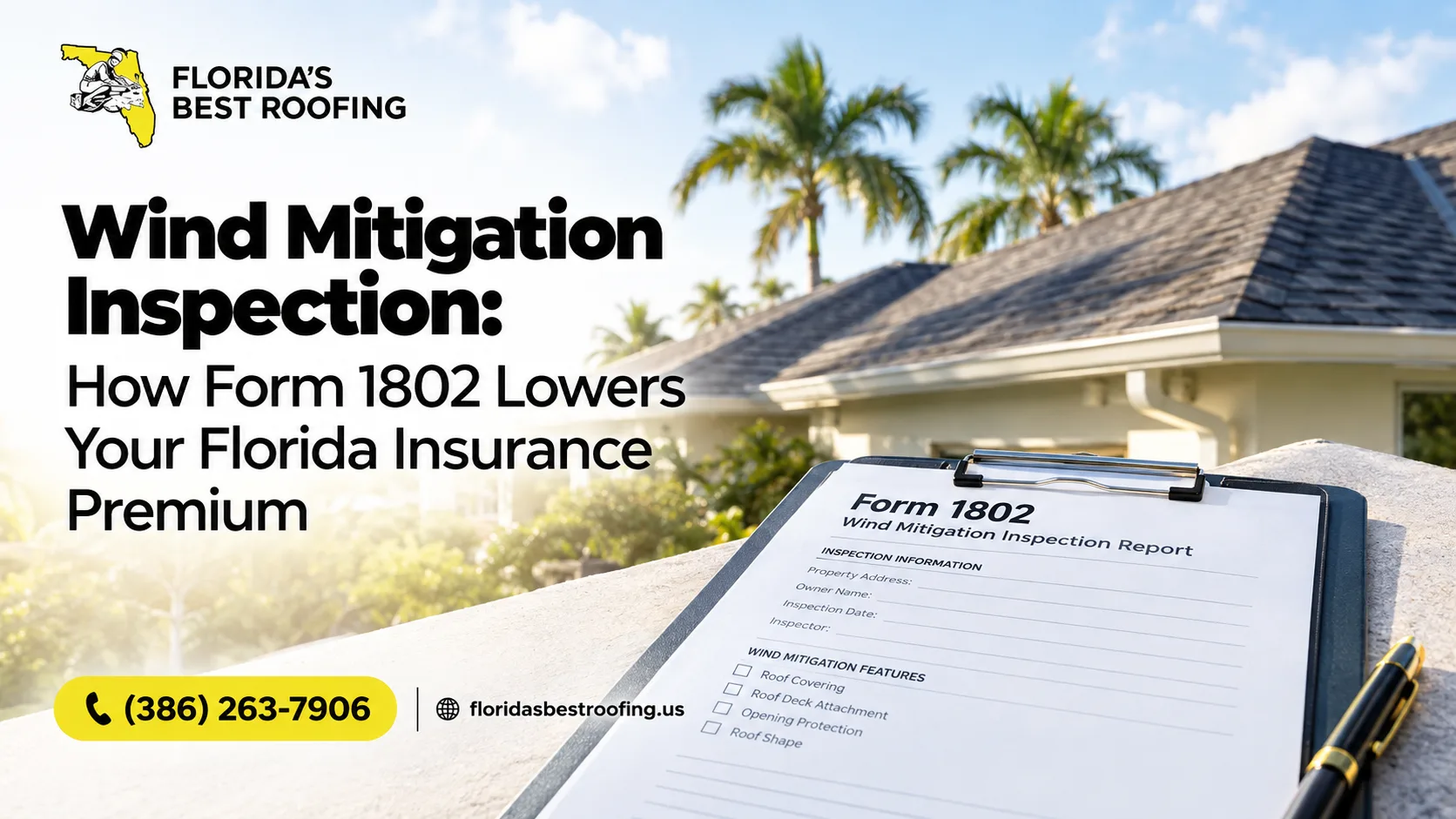
Florida insurance carriers increasingly factor roof age and condition directly into eligibility and premiums. A roof over 15-20 years old can trigger higher rates, a required inspection, or in some cases, non-renewal. A wind mitigation inspection - often completed as part of a home insurance roof replacement - documents features like roof shape, deck attachment, and roof-to-wall connections, which carriers use to calculate discounts.
Replacing a roof doesn't guarantee a specific savings number, and any contractor who quotes one without seeing your policy isn't being straight with you. What it can do is remove roof age and condition as a reason for higher rates or denied coverage.
If you're going through this process, ask your contractor for the wind mitigation paperwork specifically. It's not automatic with every company, and it's the document your insurer actually asks for.
Energy Efficiency: What a New Roof Actually Changes
A new roof affects more than what's overhead - it affects attic temperature, and by extension, your air conditioning load. Reflective, or "cool roof," materials are designed to reduce the heat transferred into the attic space, easing the strain on an HVAC system working overtime through a Florida summer.
ENERGY STAR maintains independent ratings for roofing materials based on solar reflectance, if you want to compare options before choosing. The actual efficiency gain depends on your existing insulation, attic ventilation, and material choice - so treat any specific dollar-savings claim with some skepticism unless it's backed by your home's own numbers.
Replacement vs. Repair: How to Know Which You Actually Need
Not every roof problem means a full replacement, and we'd rather say that upfront than send a crew out to sell you one you don't need. Signs that usually point toward repair:
-
An isolated leak tied to one flashing point or vent boot
-
Localized shingle damage from a fallen branch or a single wind event
-
A roof under 10-12 years old with no widespread granule loss
Signs that usually point toward replacement:
-
The roof is at or past its material's expected lifespan (typically 15-20 years for asphalt shingle in Florida's climate)
-
Granule loss is widespread, not localized
-
Multiple leak points, or leaks that keep recurring after repair
-
Visible sagging, or soft spots in the decking
A proper inspection should tell you which category you're in. A contractor willing to say "this doesn't need replacing yet" is one worth trusting for when it eventually does.
What Actually Goes Into a Roof Replacement
For homeowners going through it for the first time, the process typically looks like this:
-
Inspection and estimate - a full assessment of the roof deck, flashing, and ventilation, not just a shingle count.
-
Material selection - based on your home's structure, local wind requirements, and budget.
-
Permitting - required for roof replacements in most Florida municipalities, and something your contractor should handle without being asked.
-
Tear-off and installation - old material removed, deck inspected and repaired as needed, new underlayment and roofing installed to code.
-
Final walkthrough and documentation - including any wind mitigation paperwork for your insurer.
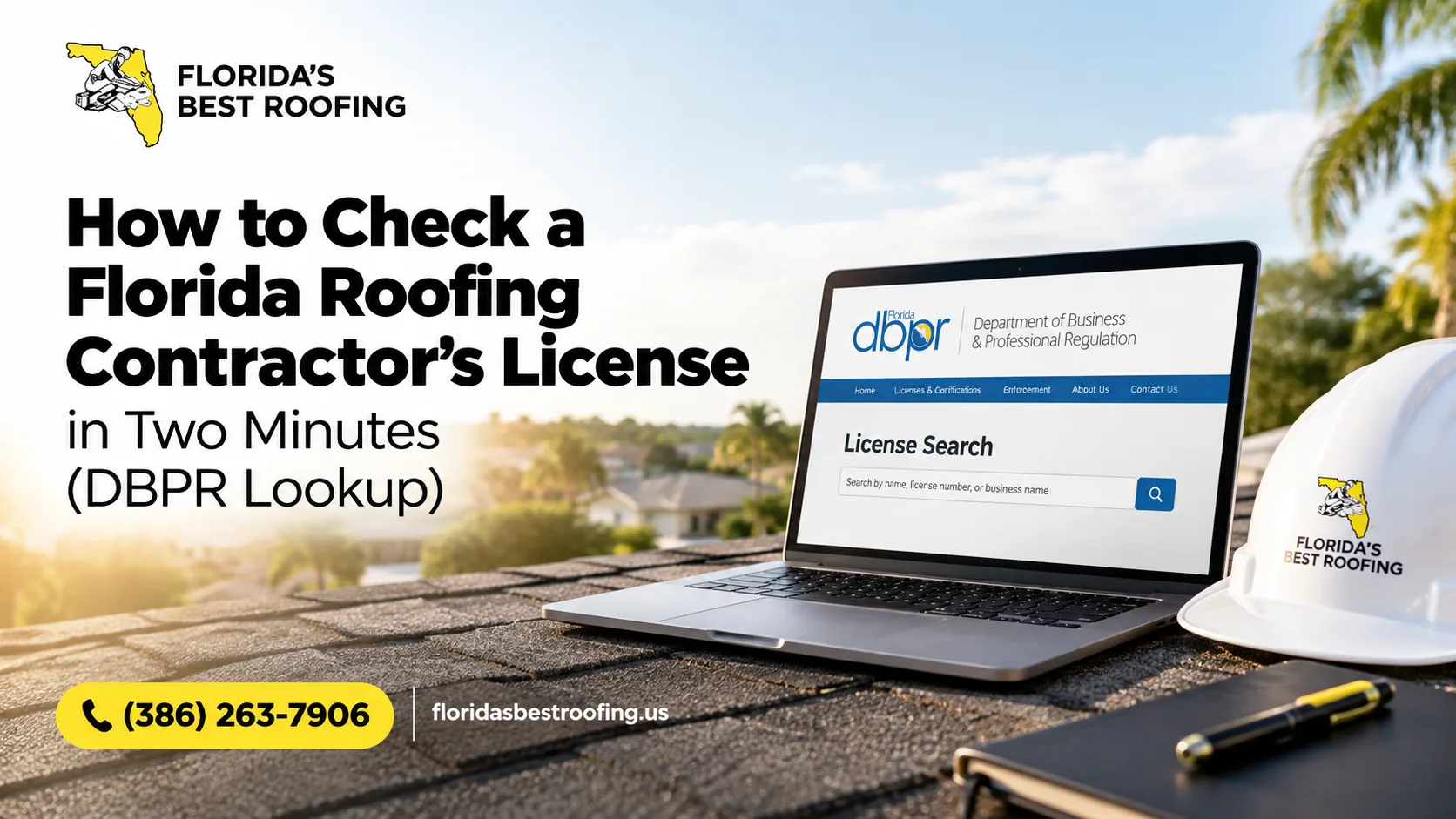
When vetting a Florida roofing contractor, confirm they're state-licensed, carry liability and workers' compensation insurance, and pull their own permits. If a company is vague about licensing, insurance, or permits, that's worth pausing on before signing anything.
Key Roof Replacement Benefits of Timing It Right
Pulling it together, the main advantages of scheduling your roof replacement during this summer window come down to:
-
More predictable scheduling before peak storm season
-
Stronger wind and water resistance heading into hurricane season
-
A fresh manufacturer and workmanship warranty
-
Possible impact on home insurance eligibility and premiums
-
Reduced attic heat and AC strain, depending on materials chosen
You don't need to already know you need a new roof to get a straight answer. A proper inspection will tell you whether you're looking at a repair, a replacement, or nothing at all right now - that's the assessment we'd want for our own house.
FAQ
Is summer really the best time for roof replacement in Florida?
It's a strong option. Early-to-mid summer typically offers more predictable, drier stretches than peak hurricane season, which makes scheduling and installation more straightforward. That said, a roof in good working order doesn't need to be replaced on a seasonal schedule - timing matters most when a replacement is already due.
Will a new roof lower my home insurance premium?
It can, but the amount depends on your carrier, your policy, and your wind mitigation inspection results. Roof age and condition are two of several factors insurers weigh, so ask your contractor for wind mitigation documentation and bring it to your agent directly.
How long does a typical roof replacement take?
Most residential roof replacements in Florida take one to three days, weather permitting, though the timeline depends on the home's size, roof complexity, and material chosen.
How do I know if I need a repair or a full replacement?
Isolated damage on a newer roof usually points to repair. Widespread granule loss, multiple leak points, or a roof near the end of its material lifespan usually points to replacement. A written inspection report is the most reliable way to know for sure.