When a major storm rolls through Florida, your roof absorbs the brunt of it - wind, hail, debris, and hours of driving rain. The tricky part is that storm roof damage often isn't visible right away. A roof can look completely normal from the driveway while problems are quietly developing underneath. Here's a practical, expert-backed guide to spotting roof damage after storm events and knowing exactly what to do next.
Why Florida Roofs Take Such a Beating
Florida roofing systems are built tough, but tropical storms test every part of them - shingles, flashing, vents, fasteners, and the decking underneath. Wind doesn't just push against a roof; it creates uplift that can loosen materials even when nothing visibly blows away. Add hail or wind-driven debris, and you get small cracks or impact points that may not show symptoms for weeks.
FEMA's post-disaster assessment guidance notes that if a roof was damaged by a storm, the homeowner should look for missing, torn or curled shingles or other roof covering materials, missing or damaged flashing, and signs of streaking or staining on the roof covering or in the attic. In other words, even moderate storms can leave behind issues that get worse if they're not caught early.
Signs of Roof Damage After a Storm
Recognizing the signs of roof damage after storm events early is the key to avoiding bigger repairs down the line.
What You Can Spot From the Ground
Once it's safe to head outside, take a slow walk around your property and look up. Common red flags include:
- Missing, curled, cracked, or lifted shingles
- Granules collecting in gutters, downspouts, or your driveway - a sign of accelerated shingle wear
- Sagging or uneven sections along the roofline
- Dented or displaced vents, flashing, or ridge caps
- Debris, branches, or pooling water sitting on the roof surface
What to Check Inside Your Home
Not all damage shows up outside. Head into the attic and check ceilings throughout the house for:
- Water stains, discoloration, or peeling paint on ceilings and walls
- Damp insulation or a musty smell in the attic
- Visible daylight coming through the roof boards - a sign the decking itself has been compromised
The Hidden Damage Most Homeowners Miss
Some of the costliest issues are invisible to the untrained eye. Loosened flashing around chimneys and skylights, soft spots on the roof deck, and shifted underlayment can all create slow leaks that go undetected for months. The Insurance Institute for Business & Home Safety emphasizes that homes can be severely damaged by even relatively weak tropical cyclones, which is part of why early professional assessment matters so much - damage from a storm that "wasn't that bad" can still be significant.
What to Do If You Suspect Roof Damage
If any of the signs above sound familiar, here's how to respond:
- Wait until it's safe. Skip the inspection during active weather, or if you have downed power lines, standing water, or debris creating hazards.
- Do a visual check from the ground. Walk the perimeter and look at the roof from a few different angles. Leave the climbing to professionals - roof inspections after a storm can be dangerous even for experienced contractors.
- Check your attic and ceilings. This is often where the first real evidence shows up, especially after heavy rain.
- Document everything. Photos and videos of any damage - inside and out - with the date noted. This becomes essential if you file an insurance claim later.
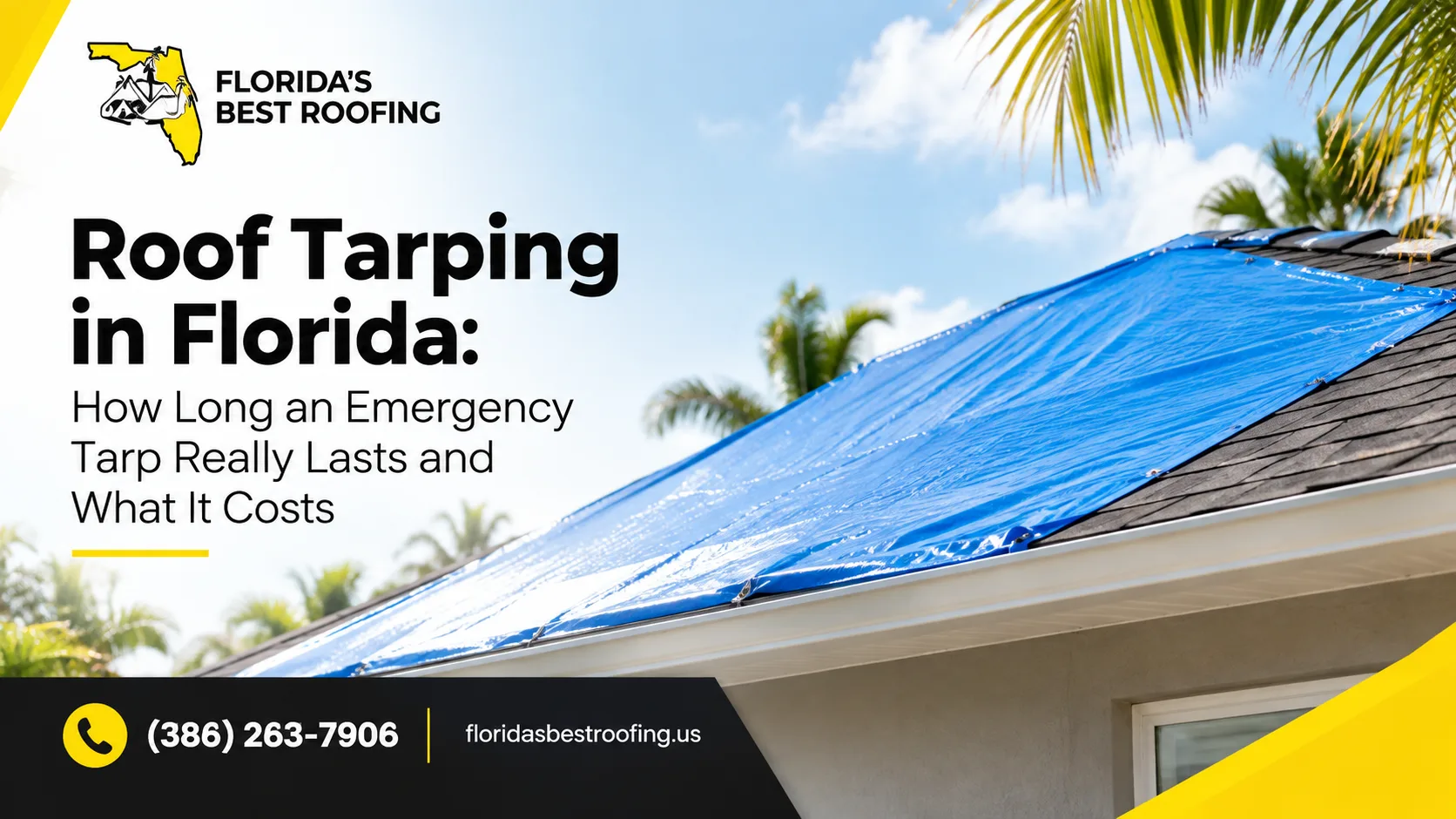
- Cover exposed areas if you can do it safely. A tarp over an exposed section can buy you time and prevent further water intrusion until repairs are scheduled.
Why a Professional Inspection Makes a Difference
Even a thorough homeowner can miss damage that's only visible up close - around roof penetrations, along ridge lines, or tucked under shingle edges. A trained roofing professional knows exactly where storm damage tends to hide and can evaluate the condition of the entire roofing system, not just what's visible from the ground.
This matters for insurance too. Most insurers expect a documented assessment from a licensed contractor before approving storm-related claims. The National Roofing Contractors Association recommends working only with a professional roofing contractor for inspections and repairs, since proper diagnosis depends on training most homeowners simply don't have.
What Storm Damage Roof Repair Services Should Include
Quality storm damage roof repair services go well beyond patching a hole. Look for a contractor that offers:
- Emergency response - temporary tarping or leak mitigation to stop further damage while repairs are scheduled
- A detailed inspection and written report - covering both visible and hidden damage, documented for your records
- Insurance claim support - help navigating documentation and the claims process
- An honest repair-vs-replacement assessment - based on the extent of the damage, your roof's age, and long-term cost
- Repairs built for Florida's climate - materials and methods suited to handle the next storm season
A contractor who handles all of these steps saves you time, stress, and often money.
Why Waiting Costs More in the Long Run
Storm damage doesn't fix itself - it spreads. A small leak left alone can saturate insulation, invite mold, rot decking, and eventually damage ceilings, walls, or even electrical systems. What starts as a simple shingle repair can turn into a major project if it sits too long. Acting quickly after a storm isn't just about appearances - it protects your home's structure and your budget.
Local Roofing Experts in Flagler, Volusia & St. Johns Counties
At Florida's Best Roofing, we've seen firsthand what local storms can do - because we deal with the aftermath every season. Our licensed and insured team has helped homeowners across Flagler, Volusia, and St. Johns counties identify and repair storm damage, from minor shingle fixes to full roof replacements.
If you suspect your roof took a hit in the last storm, don't wait for a small problem to become a big one. Our team will give you a thorough inspection and a straight answer about what your roof actually needs. Call us today for a free estimate and make sure your home is storm-ready.
FAQ
Q: What are the first signs of roof damage after a storm?
A: Missing or curled shingles, granules in gutters, sagging rooflines, and water stains on ceilings are the most common early signs.
Q: Can a roof be damaged even if it looks fine from the ground?
A: Yes. Hidden damage like loosened flashing, soft spots on the deck, or shifted underlayment often isn't visible without a close inspection.
Q: How soon should I get a roof inspection after a storm?
A: As soon as it's safe - ideally within a few days. Early inspection helps catch problems before they worsen or affect insurance claims.
Q: Do I need a professional for storm damage roof repair?
A: Yes. A licensed roofing contractor can spot hidden damage, provide documentation for insurance, and recommend the right repair or replacement.
Q: Does homeowners insurance cover storm roof damage?
A: Often yes, but coverage depends on your policy and requires documentation. A professional inspection report strengthens your claim.