In Florida, roofing problems rarely happen at a convenient time. A single spring storm, weeks of persistent humidity, or the early onset of hurricane season can quickly turn a minor roofing issue into costly interior damage that affects ceilings, insulation, and even structural framing. That is why homeowners across Palm Coast, St. Johns County, Flagler County, and Volusia County increasingly begin planning roofing projects well before spring weather fully sets in.
For experienced contractors, late winter and early spring consistently prove to be the best time to replace a roof in Florida. Weather conditions are typically more stable, rainfall is less disruptive, and crews can complete installations without the delays that become common during peak storm season. This timing also helps homeowners avoid the seasonal rush that begins as soon as early hurricane forecasts start circulating across the state.
Unfortunately, many homeowners postpone decisions until visible damage appears. By the time shingles go missing, leaks form, or ceiling stains become noticeable, roofing companies are often already handling emergency repairs and insurance-driven claims. At that stage, scheduling becomes more difficult, costs tend to rise, and homeowners lose flexibility in choosing materials or installation dates.
Moisture is another major factor that is often underestimated. Florida’s year-round humidity accelerates roof aging in ways that are not always visible from the ground. Over time, shingles lose protective granules, flashing weakens, and small areas of trapped moisture begin to spread beneath the surface. Once spring rain patterns intensify, these minor issues often escalate quickly, turning manageable maintenance into full-scale roof replacement.
According to FEMA, homeowners in hurricane-prone regions should regularly inspect and strengthen roofing systems before the start of hurricane season to reduce the risk of severe weather damage.
This proactive approach is one of the main reasons experienced property owners prioritize inspections and planning early in the year. In most cases, those who act ahead of demand not only reduce overall costs but also gain access to better scheduling, more material options, and less stressful decision-making.
Why Late Winter and Early Spring Are Ideal for Roof Replacement
While many homeowners assume roofing projects should be scheduled during summer, industry professionals across Florida often recommend the opposite. Late winter and early spring offer the most consistent and controlled conditions for roofing work, particularly in coastal and hurricane-prone regions.
One of the key advantages during this period is temperature stability. Roofing materials - especially asphalt shingles - perform best when installed under moderate and predictable conditions. Excessive heat can soften materials too quickly, while heavy moisture can interfere with proper sealing and adhesion. Stable temperatures allow shingles to bond correctly, improving long-term durability and wind resistance.
Proper sealing is especially important in Florida, where roofing systems must withstand both seasonal storms and hurricane-force winds. Modern asphalt shingles rely on heat-activated sealing strips that perform best when exposed to steady, moderate conditions. When installed correctly, this process significantly reduces the risk of uplift and water intrusion during severe weather.
Another important benefit of early-year installation is reduced exposure to prolonged rain cycles. While Florida remains humid year-round, late winter and early spring typically bring fewer continuous storm systems compared to late spring and summer. This reduces delays, minimizes construction risks, and allows projects to move forward without unnecessary interruptions.
From a logistical perspective, roof replacement timing also plays a major role in contractor availability. As spring progresses and weather alerts become more frequent, demand for roofing services increases rapidly. Homeowners who delay often face longer wait times, fewer material choices, and higher pricing due to peak-season demand.
Material availability can also shift significantly as hurricane season approaches. Demand for shingles, underlayment, flashing systems, and fastening materials rises across Florida, which can lead to temporary shortages or price fluctuations in high-demand periods.
Organizations such as FEMA and NOAA consistently emphasize the importance of early preparedness before hurricane season begins, particularly for structural components like roofing systems that directly protect the home’s interior.
Manufacturers also reinforce this guidance. According to Owens Corning’s hurricane preparedness recommendations, maintaining a properly installed and well-sealed roofing system is one of the most effective ways to reduce storm-related damage in high-risk regions like Florida.
Florida Hurricane Season Starts Earlier Than Most Homeowners Think
Although the official Atlantic hurricane season begins on June 1, experienced contractors in Florida know that preparation must begin much earlier. By the time the first named storm appears, roofing companies are typically already managing a high volume of inspections, emergency repairs, and insurance-related claims.
This is one of the key reasons homeowners begin considering a spring roof replacement as early as late winter. A roof that shows early signs of wear in February or March may not withstand months of heavy rainfall, strong wind events, and tropical storm activity later in the year. Minor issues such as loose shingles or small flashing failures can escalate quickly under storm pressure.
Delaying replacement until active hurricane conditions develop is one of the most costly mistakes homeowners make. Once a storm impacts a property, roofing problems rarely remain isolated. Water intrusion can spread through insulation, drywall, electrical systems, and structural framing, turning a simple roofing issue into a full restoration project involving multiple contractors and insurance adjusters.
Insurance timing also becomes more complicated during peak storm season. After major weather events, insurance providers often receive thousands of claims simultaneously, which can delay inspections, approvals, and payments for weeks. In many cases, homeowners are left relying on temporary solutions while waiting for claim resolution.
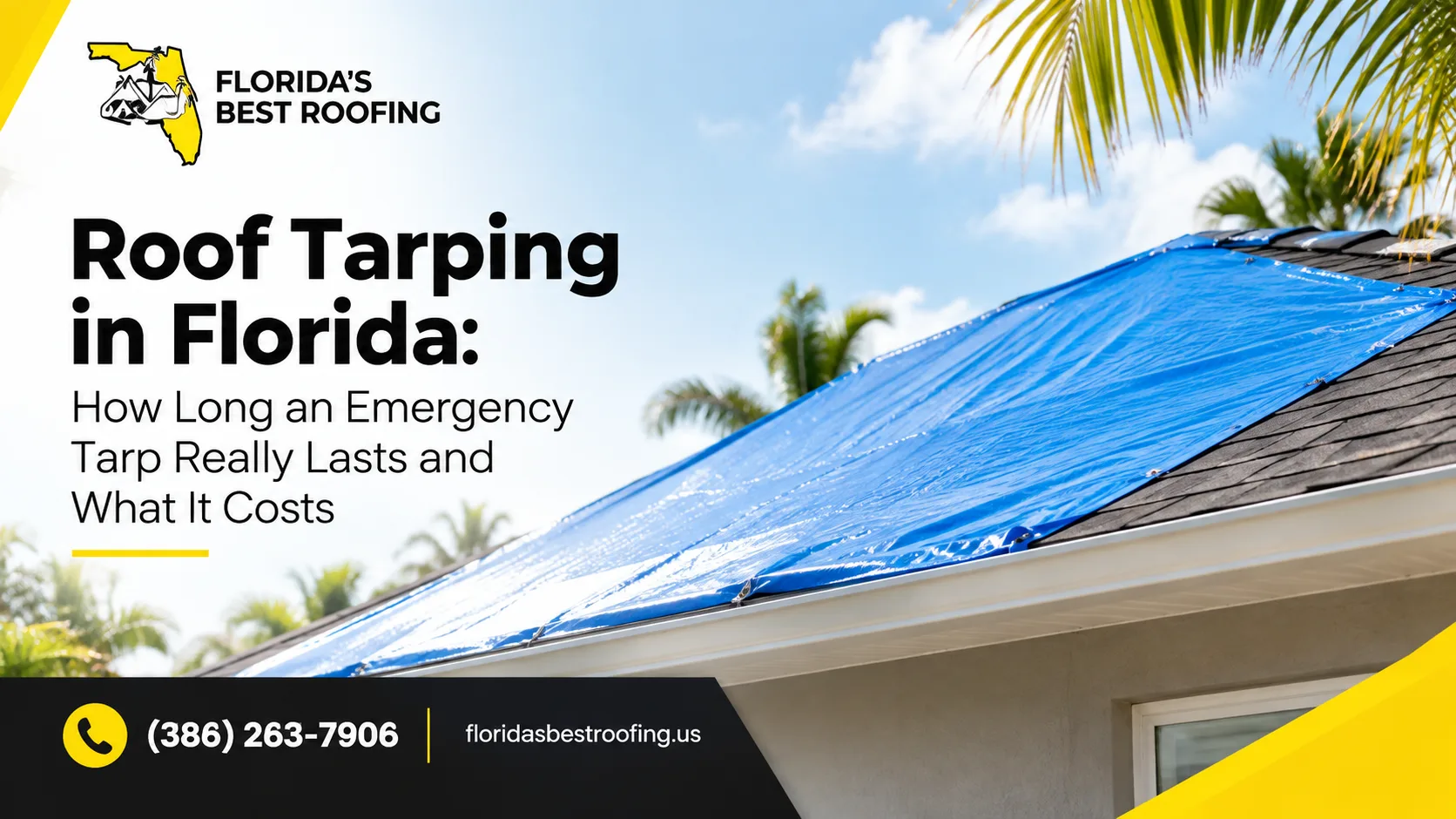
Emergency tarping provides only short-term protection. While it can reduce immediate water entry, it is not designed for extended use in Florida’s climate. Prolonged exposure to wind, UV radiation, and rain often weakens temporary coverings, increasing the risk of secondary damage such as mold growth and interior deterioration.
According to CDC guidance on hurricane preparedness, maintaining roof integrity is essential to reducing storm-related hazards and protecting overall home safety.
7 Signs It’s Time to Replace Your Roof Before Spring
Even well-built roofing systems eventually show signs of aging, especially in Florida’s demanding climate. Recognizing early warning signs can help homeowners avoid emergency repairs and plan replacements under more favorable conditions.
Curling or Missing Shingles
Shingles that curl, crack, or go missing indicate that the protective barrier is failing. In Florida, UV exposure accelerates this deterioration, leaving homes vulnerable to wind-driven rain during spring storms.
Water Stains on Ceilings
Interior stains often signal long-term moisture intrusion. By the time they appear, water has usually already traveled through multiple layers of the roof system.
Roof Age Over 15-20 Years
Most asphalt shingle roofs in Florida begin to deteriorate significantly within 15-20 years due to heat, humidity, and storm exposure, even if no visible damage is present.
Sagging Roof Sections
Sagging often indicates structural issues beneath the surface, including moisture damage or weakened decking.
Granules in Gutters
Excessive granule loss reduces UV protection and accelerates shingle breakdown.
Mold or Moisture in the Attic
Poor ventilation or hidden leaks often create conditions for mold growth and structural decay.
Storm Damage From Previous Seasons
Even if no leaks are visible, prior storm exposure can weaken flashing, seals, and fasteners over time.
The National Roof Certification and Inspection Association notes that these conditions often indicate the need for professional evaluation or replacement rather than continued repairs.
Why Waiting Until Summer Usually Costs More
Delaying roofing projects until summer often leads to higher overall costs due to increased seasonal demand. As hurricane season approaches, roofing companies across Florida experience a surge in emergency calls, insurance claims, and inspection requests.
This is why many contractors identify late winter and early spring as the best time to replace a roof. Planning ahead allows homeowners to secure better pricing, more flexible scheduling, and access to preferred materials before peak demand begins.
The difference between planned and emergency replacement is significant. A homeowner addressing minor damage in February typically has time to compare materials, evaluate financing options, and schedule work under normal conditions. By contrast, homeowners who wait until summer often face emergency tarping, interior water damage, and rushed repair decisions under pressure.
Emergency situations also increase total costs due to expedited labor, temporary repairs, and material shortages. Insurance processing delays during peak storm season can further extend recovery timelines.
Affordable Roof Replacement Options for Florida Homeowners
Roof replacement does not need to be financially overwhelming when planned correctly. Financing options, insurance assistance, and material selection all play important roles in making roofing projects more manageable.
Asphalt shingles remain the most common option for an affordable roof replacement, offering a balance of cost efficiency and durability. Metal roofing, while more expensive initially, provides longer lifespan and superior resistance to wind and UV exposure.
Florida’s climate significantly affects roofing lifespan. Constant UV exposure, high humidity, salt air, and tropical storms accelerate material wear compared to northern regions. This makes preventative replacement more cost-effective than repeated repairs over time.
Roof Replacement Timing Matters More in Florida
Unlike northern states, Florida roofs experience year-round environmental stress. Heat expansion, UV radiation, humidity, and storm cycles all contribute to accelerated aging. This makes roof replacement timing a critical factor in long-term property protection.
Because of these conditions, even high-quality roofing materials may require replacement sooner than expected. Regular inspections and proactive planning help homeowners avoid emergency situations and extend the performance of roofing systems.
How to Prepare for a Spring Roof Replacement
Preparing for a roofing project in Florida is most effective when done early, before spring rains and peak contractor demand begin. Homeowners who plan ahead usually avoid delays, higher costs, and limited scheduling options.
The first step is a professional inspection. It helps identify hidden issues like loose flashing, aging shingles, or moisture in the decking that may not be visible from the ground. This gives a clear understanding of whether a spring roof replacement is needed or if repairs are still possible.
Next, it’s important to compare roofing materials. Asphalt shingles are commonly used for an affordable roof replacement, while metal roofing offers longer lifespan and stronger resistance to wind and UV exposure. Early comparison helps avoid rushed decisions during peak season.
Homeowners should also review insurance coverage before work begins, since some damage may be partially covered depending on policy terms and roof condition. Warranty details from both manufacturer and contractor should also be checked in advance.
Finally, choosing a licensed Florida roofing contractor is essential. Local professionals understand building codes and climate challenges, ensuring the roof is properly installed and built for Florida’s heat, humidity, and storms.
Why Local Homeowners Trust Florida’s Best Roofing
Homeowners in Palm Coast, Flagler County, St. Johns County, and Volusia County trust Florida’s Best Roofing because of strong local experience and understanding of Florida’s climate conditions.
Roofs in Florida face constant heat, humidity, UV exposure, and storms, so installation methods must be adapted to these conditions. This is especially important when planning a spring roof replacement, where timing directly affects durability.
The company also follows strict Florida building codes designed for hurricane resistance, ensuring every roof meets safety and performance standards.
Homeowners value fast inspections, clear estimates, and transparent pricing, which makes planning an affordable roof replacement easier and more predictable.
Proactive planning remains the most effective way to reduce roofing costs and avoid emergency repairs. Homeowners who act before spring gain better scheduling options, stronger material selection, and improved protection heading into hurricane season.
If there is one clear takeaway, it is this: in Florida, the best time to replace a roof is always before problems escalate.
Call Florida’s Best Roofing today for a free estimate before spring schedules fill up.
FAQ
When is the best time to replace a roof in Florida?
Late winter and early spring are generally the best time to replace a roof in Florida. Weather is more stable, demand is lower, and installation conditions are more predictable before hurricane season begins.
How do I know when I should replace my roof?
Common signs include missing or curling shingles, leaks, ceiling stains, attic moisture, and roofs older than 15-20 years. If these issues appear, it may be time to consider a roof inspection.
Why do many homeowners choose spring for roof replacement?
A spring roof replacement helps avoid peak hurricane-season demand, reduces scheduling delays, and allows better material availability and pricing.
Is roof replacement cheaper before summer?
Yes, in many cases. An affordable roof replacement is more likely before peak season when contractor demand and emergency repair costs are lower.
What happens if I wait too long to replace my roof?
Delaying can lead to leaks, storm damage, insurance delays, and higher repair costs. Emergency replacements are usually more expensive than planned projects.
How long does a new roof last in Florida?
Asphalt shingle roofs typically last 15-25 years, while metal roofs can last 40-70 years, depending on maintenance and weather exposure.
Do I need an inspection before replacing my roof?
Yes. A professional inspection helps confirm roof condition, identify hidden damage, and determine whether full replacement or repair is needed.