(386) 263-7906 floridasbestroofing@gmail.com
Emergency Roof Repairs vs. Full Replacement: What’s Best After a Storm
Roofing Blog

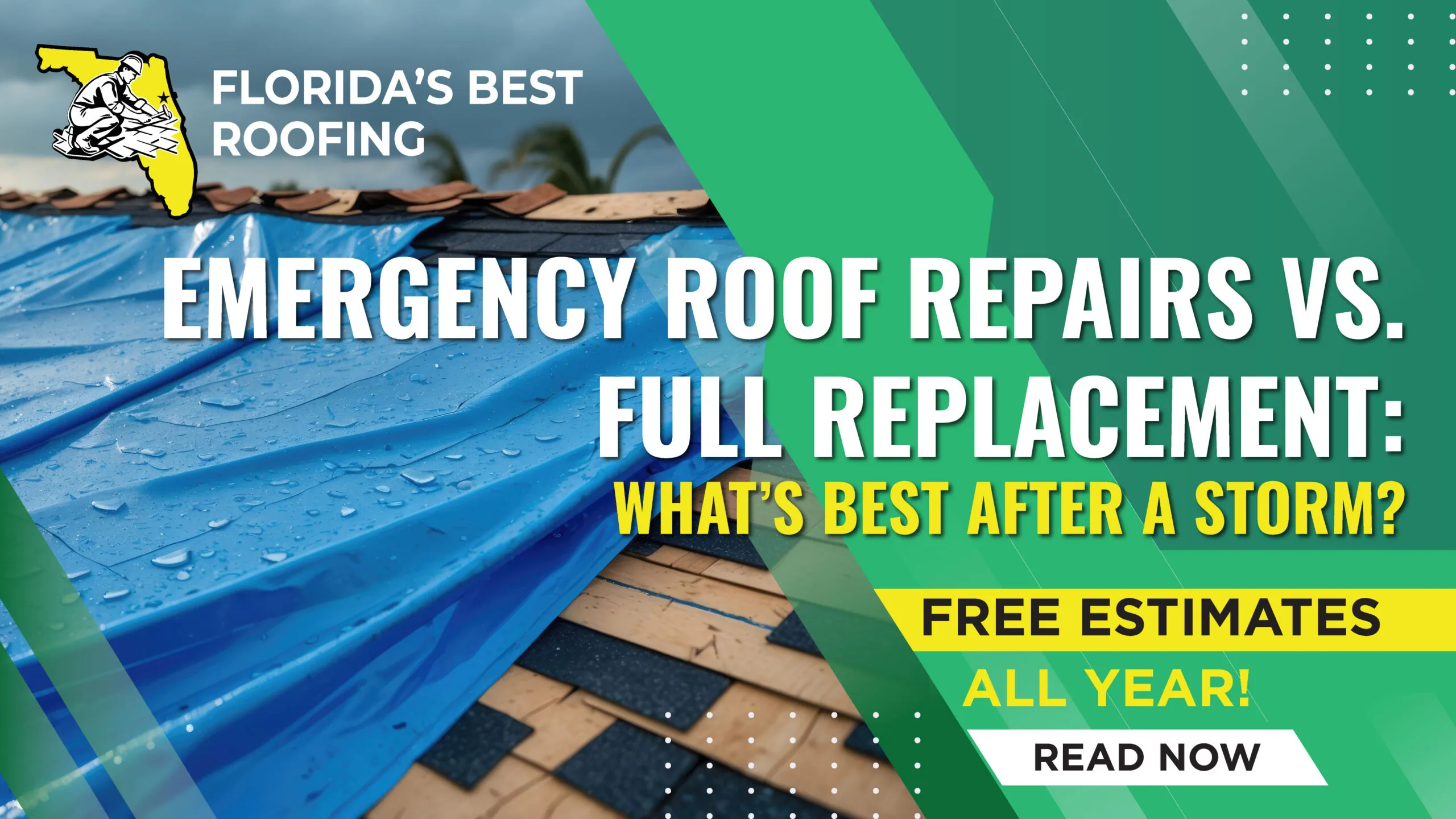
Emergency Roof Repairs vs. Full Replacement: What’s Best After a Storm?

Living in Florida means enjoying plenty of sunshine—but it also means preparing for powerful summer storms and hurricanes. When a storm passes, one of the most vulnerable parts of your home is your roof. High winds, heavy rain, and flying debris can cause anything from minor leaks to major structural damage.

But here’s the big question many homeowners face: Do I need emergency repairs, or is it time for a full roof replacement? Let’s break it down.


When Emergency Roof Repairs Are Enough

Not all storm damage means you need to replace your entire roof. Sometimes, a professional roofing contractor can address the issue with quick, effective repairs. Here are signs that repairs may be sufficient:

  • Missing or lifted shingles – If only a small section of shingles is damaged, replacing them may restore your roof’s protection.
  • Minor leaks – A localized leak can often be fixed without major work if caught early.
  • Damaged flashing or gutters – These components can usually be repaired or replaced quickly.
  • Isolated impact damage – Small punctures from debris may not require a full replacement.

In these cases, emergency repairs can protect your home immediately while extending the life of your current roof.


When a Full Roof Replacement Is the Smarter Choice

Sometimes, storm damage goes beyond quick fixes. If your roof is already aging or if the storm caused widespread harm, a replacement may be necessary. Signs include:

  • Widespread shingle loss – Large sections of missing shingles compromise your roof’s integrity.
  • Multiple leaks – If water is entering your home from several areas, the damage is likely extensive.
  • Structural damage – If the roof deck or support system is compromised, repairs won’t be enough.
  • Old roof – If your roof is nearing the end of its lifespan (15–20 years or more for most materials), investing in repairs may only delay the inevitable.

A full replacement not only restores your home’s protection but also adds long-term value and peace of mind—especially heading into peak storm season.


How Florida’s Best Roofing Can Help

At Florida’s Best Roofing, we specialize in both emergency storm repairs and complete roof replacements. Our team provides:

Free estimates
10-year labor warranty
Fast, reliable emergency response
High-quality roofing materials built for Florida’s climate

Whether you need quick repairs to stop a leak or a brand-new roof for maximum protection, we’re here to guide you through the best option for your home and budget.


Don’t Wait Until It’s Too Late

Storm damage often worsens if left unchecked. The sooner your roof is inspected, the better your chances of avoiding costly repairs down the road.

📞 Call us today at 386-263-7906 or visit floridasbestroofing.us to schedule your free roof estimate.

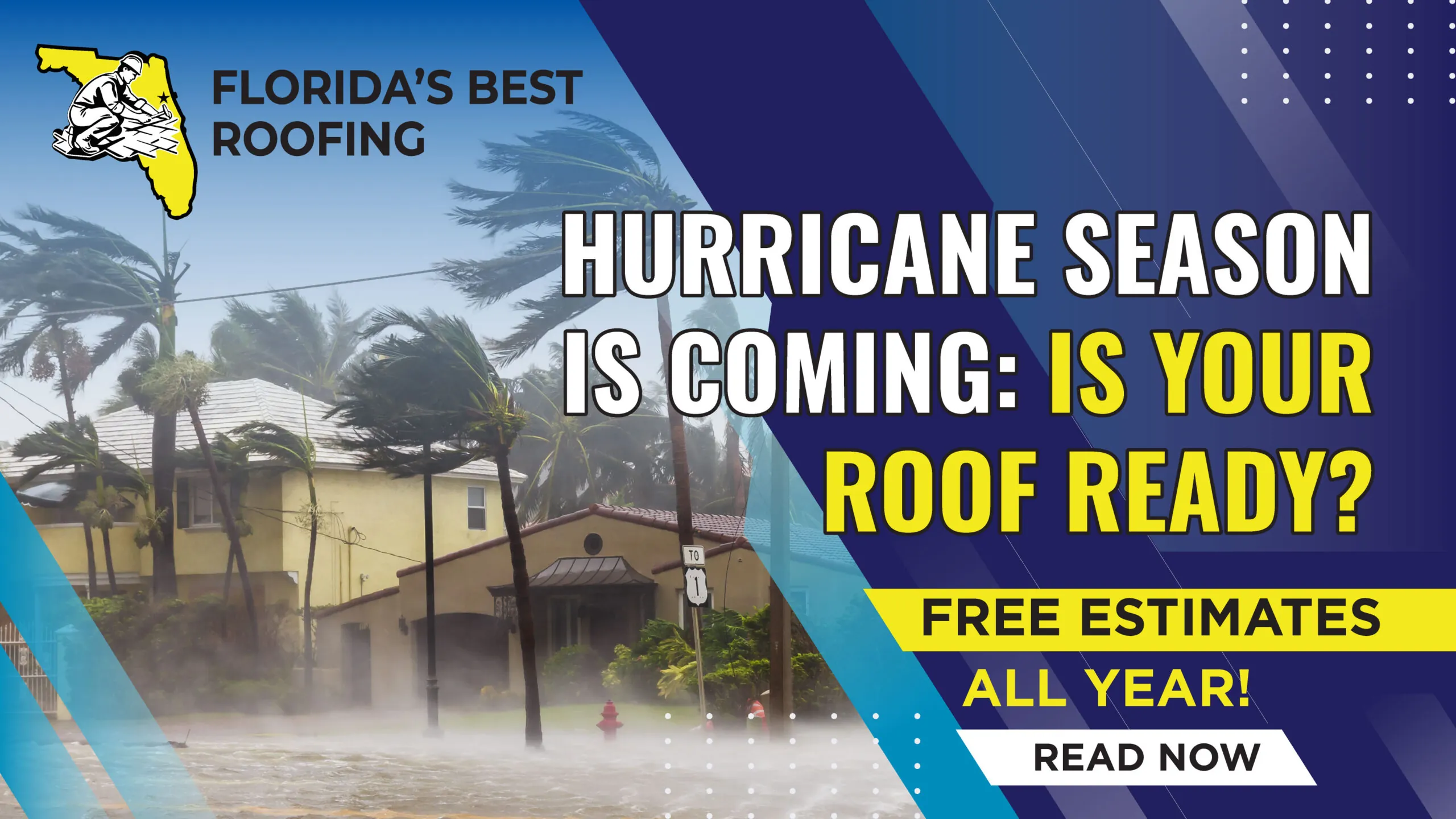
Hurricane Season Is Coming: Is Your Roof Ready?
Roofing Blog

Hurricane Season Is Coming: Is Your Roof Ready?

Hurricane season in Florida is no joke. Every year from June through November, homeowners across Flagler, Volusia, and St. Johns Counties brace for the strong winds, torrential rain, and unpredictable storms that can cause serious damage—especially to your roof. With your home’s first line of defense on the line, now is the time to ask: Is your roof ready for hurricane season?

Why Your Roof Matters During a Hurricane

Your roof isn’t just the cap on your home—it’s a critical shield that protects everything underneath. When a hurricane strikes, strong winds can rip off shingles, loosen flashing, or even tear away entire roof sections if the structure is compromised. Water intrusion from even minor damage can lead to mold, ruined insulation, electrical problems, and costly repairs.

The good news? With proper preparation and proactive maintenance, you can drastically reduce the risk of storm damage.


1. Schedule a Professional Roof Inspection

The first step in hurricane prep is a thorough roof inspection by a licensed professional. At Florida’s Best Roofing, we look for:

  • Loose or missing shingles or tiles
  • Signs of leaks or water stains
  • Damaged flashing or seals around vents and chimneys
  • Weak roof decking or sagging areas

Catching and fixing these issues early can prevent them from becoming major problems when the winds pick up.


2. Reinforce and Secure Your Roof

If your roof is more than 15–20 years old, or if it has already sustained some damage, consider reinforcing it. Options include:

  • Hurricane straps or clips: These help secure the roof structure to the walls of your home.
  • Roof-to-wall connections: Strengthening these areas can prevent uplift in high winds.
  • Secondary water barriers: If shingles or tiles blow off, this barrier helps prevent water from entering your attic.

3. Clear Gutters and Drainage Paths

Blocked gutters can lead to water backup and roof overflow during heavy rain. Before the storms roll in:

  • Clear all debris from gutters and downspouts.
  • Make sure water is directed away from your home’s foundation.
  • Trim nearby trees or branches that could damage the roof in high winds.

4. Check Your Insurance Coverage

Hurricane damage is often covered under homeowner’s insurance, but only if your roof has been properly maintained. Now is the time to:

  • Review your policy for roof-related coverage.
  • Understand your hurricane deductible.
  • Document your roof’s current condition with photos, in case you need to file a claim later.

5. Consider a Roof Upgrade

If your roof is nearing the end of its lifespan or has visible wear, it may be time to consider replacement before hurricane season hits. Modern materials—like architectural shingles or standing seam metal—are designed with extreme weather resistance in mind. A new, code-compliant roof can offer better protection and peace of mind.


Prepare Now—Protect Later

Don’t wait for the first named storm to appear on the radar. Proactive steps taken now can save you thousands in repairs and keep your family safe. At Florida’s Best Roofing, we’ve been serving the Flagler, Volusia, and St. Johns County areas for decades, helping homeowners prepare their homes to withstand whatever the Florida skies may bring.

📞 Call us today at 386-263-7906 for a free roof inspection and estimate, and make sure your home is hurricane-ready!


#HurricanePrep #FloridaRoofing #RoofInspection #StormReady #DaytonaRoofing #StAugustineRoofing #PalmCoastContractor #HurricaneSeason2025 #ProtectYourHome

Uncategorized

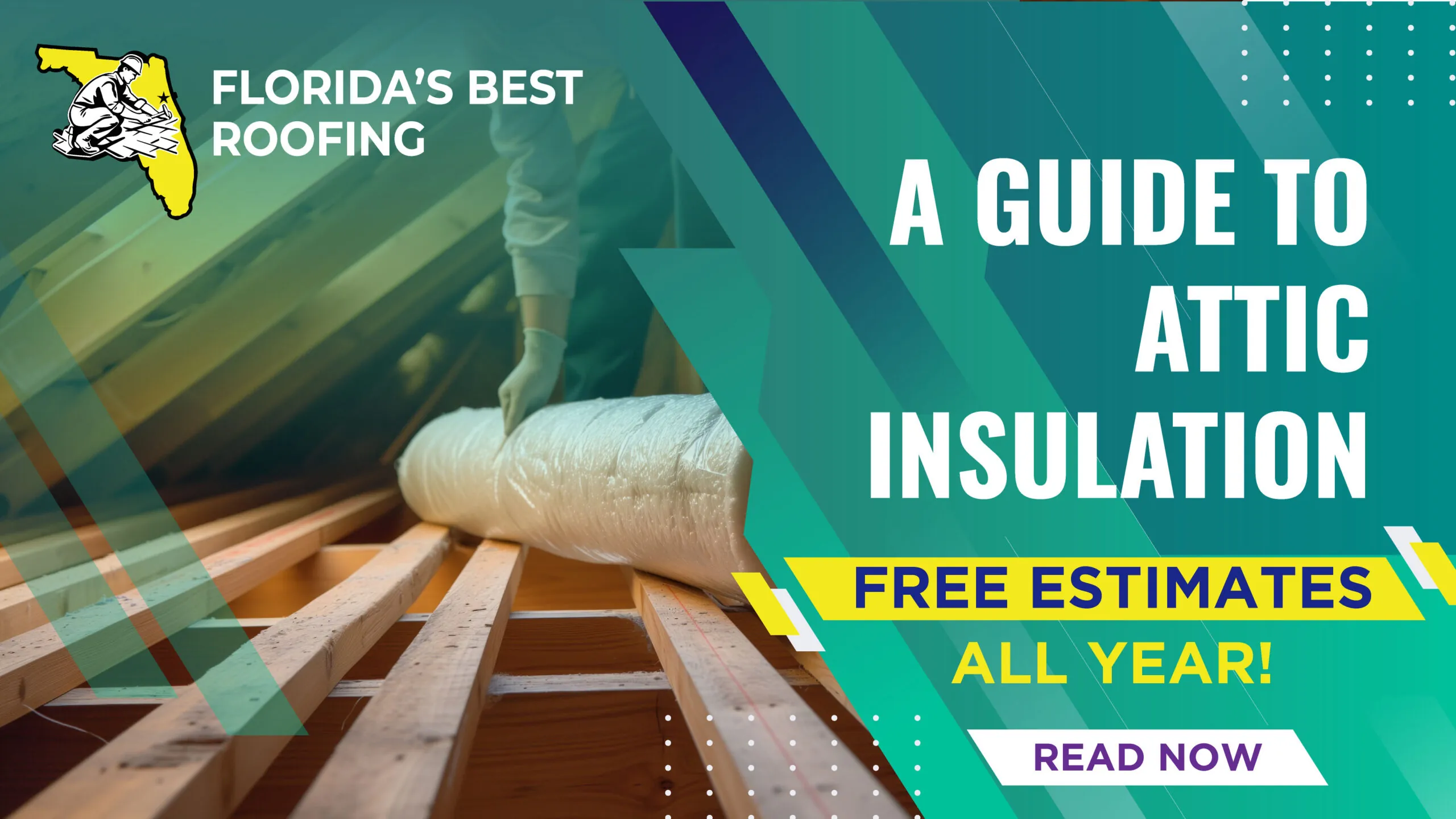
A Guide to Attic Insulation

Brought to you by the team that keeps your house dry, cool, and not on fire — Florida’s Best Roofing

Let’s face it — your attic is like that mysterious room in the house no one talks about. It’s not glamorous. It’s not cozy. It’s hot, dusty, and full of spiders with trust issues. But here’s the thing — your attic is secretly working overtime to keep your house comfortable, and attic insulation is its unsung sidekick. Think of it as the superhero cape your attic wears to protect your home from Florida’s wild temperature mood swings.

So… What’s the Deal with Attic Insulation?

Insulation in your attic is kind of like sunscreen for your house. It keeps the blazing Florida heat from turning your living room into a sauna during summer, and in those rare cold snaps (you know, like three days in January), it helps keep that precious warmth in. Bottom line: attic insulation = lower energy bills and a house that doesn’t feel like the inside of a microwave.

But that’s not all! Depending on the type, insulation can also fight off moisture, discourage fires (a big win), and keep noise levels down — which means you can keep your attic ghosts quieter too.

The Insulation All-Stars: Meet the Lineup

1. Batt Insulation
No, not a medieval weapon. Batt insulation is the rolled-up, mat-like stuff you’ve probably seen on HGTV — or in that one terrifying home renovation TikTok. Usually made of fiberglass, it looks a little like cotton candy. But we repeat: do not eat it. It’s fire-retardant, moisture-resistant, and kind of the classic option.

There are also batts made of mineral wool (which can handle heat better than most Florida beachgoers) and denim — yes, actual old jeans. So technically, you could insulate your attic and start a vintage fashion trend at the same time.

2. Blow-In Insulation
This one gets applied with a special machine that essentially reverse-vacuums chunks of insulation into all the hard-to-reach corners of your attic. Think of it as the leaf blower your attic never knew it needed.

It can be made of fiberglass or cellulose (a.k.a. shredded newspaper). While cellulose is super affordable, it also has a tendency to soak up moisture like a gossip magazine soaks up drama. That can mean mold, mildew, and uninvited bug roommates if you’re not careful.

3. Spray Foam Insulation
Ah, spray foam. The Rolls-Royce of insulation. It’s fancy, it’s effective, and yes, it’s pricey — but it’s worth it. Spray foam expands to fill every inch of space, hardens into a solid barrier, and tells moisture and fire to get lost. Bonus: it can even make your structure stronger.

Only downside? If you ever need to reach wiring or pipes underneath, you’ll basically need a miniature construction crew and a prayer to get back in.


So What Should You Do?

Still wondering what’s lurking in your attic or how to make it more efficient? We’ve got your back. 🛠️ Whether it’s insulation advice or a full-blown roof rescue mission, Florida’s Best Roofing is here to help.

We’re licensed, insured, local, and friendly — and we’ll never judge the state of your attic (or your collection of 2004 Christmas decorations).

📞 Call us for a FREE estimate at (386) 263-7906
🌐 Visit us at www.floridasbestroofing.us

Let’s make your home comfier, cooler, and a whole lot smarter — one attic at a time. 🏡

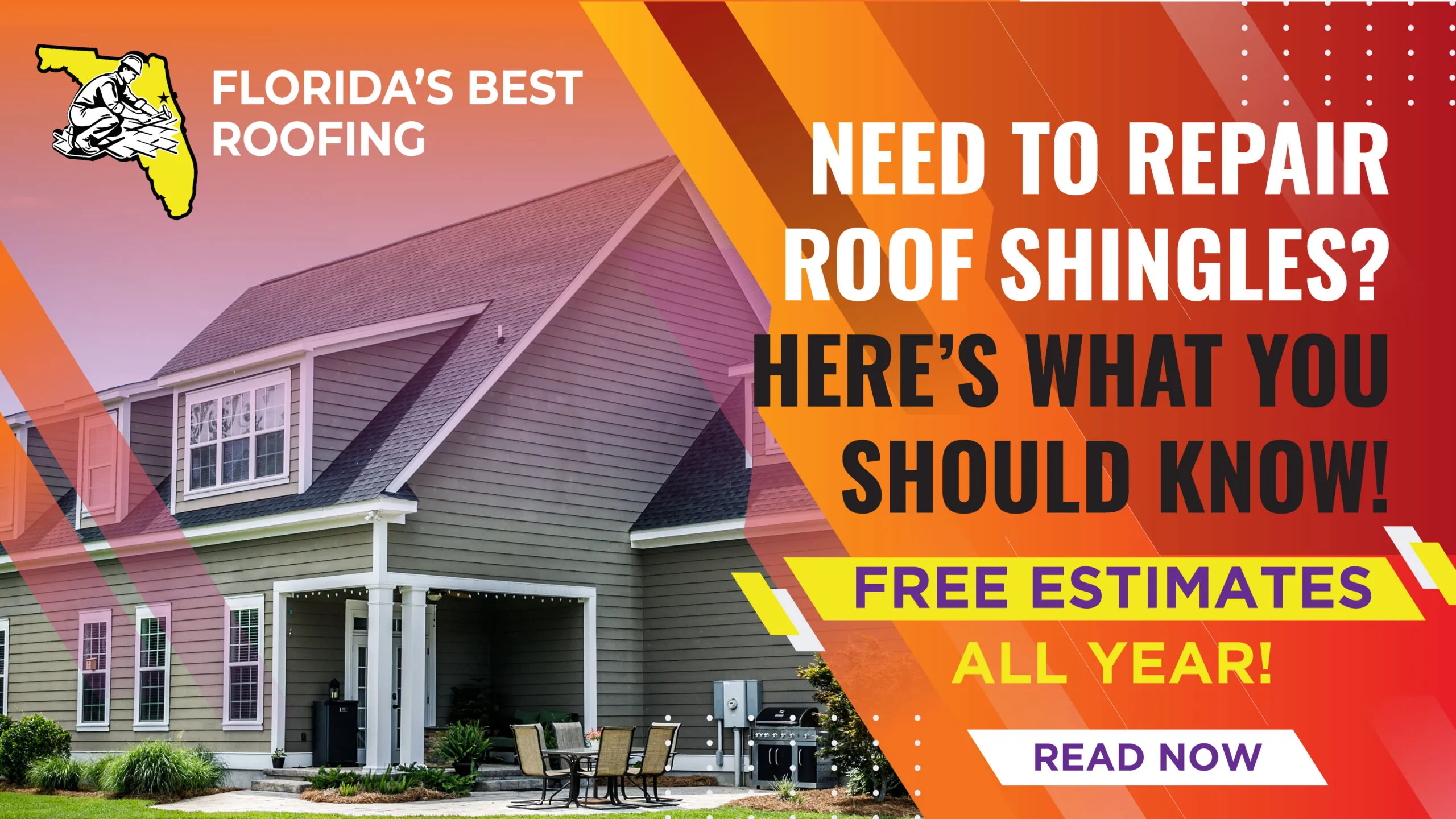
Need to Repair Roof Shingles?
Roofing Blog

Need to Repair Roof Shingles? Here’s What You Should Know!

Your roof is your home’s first line of defense against the elements, and missing or damaged shingles can lead to serious problems if left unchecked. Shingles protect your home from leaks, mold, and costly repairs—but Florida’s heat, storms, and high winds can take a toll. The good news? Florida’s Best Roofing is here to help!

While some minor repairs might seem doable on your own, having a trusted professional handle the job ensures long-lasting protection for your roof and home. Let’s walk through the process of replacing missing roof shingles and explain why calling the pros is often the best choice.


Steps to Replacing Roof Shingles

1. Gather the Right Materials
To properly replace missing shingles, you’ll need roofing nails, replacement shingles, a hammer, a pry bar, a utility knife, roofing cement, and safety gear like a harness and gloves.

2. Locate the Damaged Shingles
Inspect your roof carefully—either from the ground or by safely climbing up. Look for missing, curled, or cracked shingles. Even a small issue can lead to major leaks!

3. Remove the Damaged Shingles
Using a pry bar, carefully lift the surrounding shingles and remove any loose or broken ones. Be cautious to avoid damaging nearby shingles.

4. Prep the Roof Surface
Clean the area thoroughly to remove debris, dirt, or old adhesive. Apply a layer of roofing cement to help the new shingle adhere properly.

5. Install the New Shingles
Slide the replacement shingle into place and secure it with roofing nails just above the adhesive strip. Apply roofing cement over the nails for a watertight seal.

🔧 6. Repeat as Needed
If you have multiple missing or damaged shingles, repeat the process to ensure full protection for your roof.


DIY vs. Hiring a Professional

While small repairs might seem manageable, climbing on your roof can be dangerous—and improper repairs can cause more damage in the long run. A professional roofer ensures your shingles are installed correctly, preventing leaks and extending the life of your roof.

Why Choose Florida’s Best Roofing?

  • Fully Licensed & Insured (CCC 1325974)
  • Decades of Experience in Florida’s unique climate
  • Free Roof Inspections & Estimates
  • Quality Work with Long-Lasting Results

If you’re in Palm Coast, Flagler, or Volusia, don’t wait until a small issue turns into a major repair! Call Florida’s Best Roofing today at 📞 386-263-7906 for a free estimate.

Protect your home with Florida’s trusted roofing experts! #RoofRepair #FloridaRoofing #PalmCoastRoofers #FreeRoofInspection

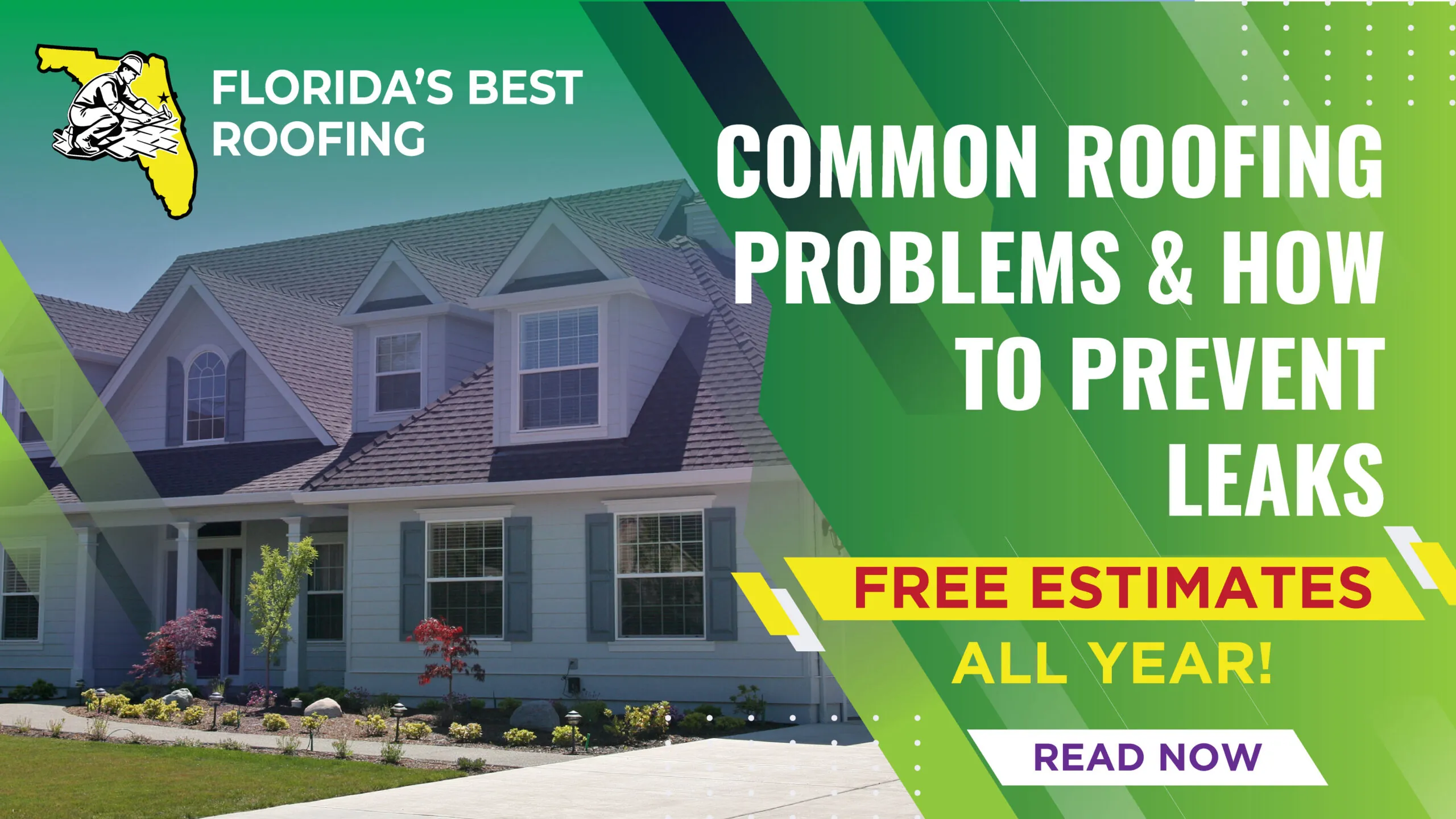
Common Roofing Problems
Roofing Blog

Common Roofing Problems & How to Prevent Leaks

Roof issues often go unnoticed—until a leak appears inside your home. By then, the damage can be costly. To avoid expensive repairs, it’s important to spot potential problems early. Here’s a quick guide to the most common roofing issues and how to prevent them.

Keep Up with Roof Care

Routine roof checkups are essential! Ideally, inspect your roof once a year and after major storms. Simple maintenance can go a long way, including:
✔ Clearing gutters and removing leaves or pine needles
✔ Trimming overhanging branches that can scrape or fall on your roof
✔ Fixing small issues before they become costly leaks

In Florida, hurricanes and storms can weaken roofs over time. If you have trees too close to your home, consider removing them to prevent storm damage.

Key Areas to Watch

Flashing: A Common Weak Spot

Flashing is the metal material placed around vents, chimneys, and roof joints to keep water out. If it cracks, lifts, or separates from the roof, water can seep in, causing leaks. A professional can inspect your flashing and ensure it’s properly sealed.

Roof Valleys: High Risk for Leaks

Water flows down valleys of the roof, making them more prone to wear and tear. These areas require extra protection. If improperly installed or damaged, leaks are almost guaranteed.

Storm Damage: The Silent Threat

Even minor storm damage can weaken your roof, making it vulnerable to future leaks. Keep an eye out for:
Missing or creased shingles – Wind can lift and loosen them.
Hail damage – Small dents on shingles may not seem like much, but they allow water to seep through over time.

Get a Professional Roof Inspection

If you haven’t had your roof checked in a while, now’s the time! Early detection saves you money and protects your home.

📞 Call Florida’s Best Roofing today at 386-263-7906 for a FREE roof inspection & estimate! Serving Palm Coast, Flagler, and Volusia areas.

#RoofingExperts #FloridaRoofing #FreeEstimate #HomeProtection #StormReady


This version makes the content easier to read, engaging, and action-driven. Would you like any tweaks?

Roofing Blog

Start 2026 with a Stronger, Safer Roof.

FREE Estimates All Year!

At Florida’s Best Roofing, we believe there’s never a wrong time to make sure your home is protected. As we move into a new month and fresh season, it’s the perfect opportunity to check in on your roof and ensure it’s ready for whatever comes next. Whether you’ve noticed minor wear, leaks from recent storms, or think it may be time for a full replacement, our expert team is here to help.

And to make things even easier—we’re offering FREE estimates all month long for homeowners in Flagler County, St. Johns County, and Volusia County! 🏠✨

Why Choose Florida’s Best Roofing?

Licensed & Insured Professionals: With over a decade of experience, our team delivers reliable, quality work you can trust.
Locally Focused: Proudly serving Flagler, St. Johns, and Volusia Counties with dedicated customer care.
Top-Quality Materials: We use only premium materials to ensure long-lasting protection for your home.
Clear & Timely Communication: From your free estimate to project completion, we keep you fully informed.

Be Proactive – Schedule Your Free Estimate Today!

Small roofing issues can become bigger problems if left unaddressed. Whether you’re preparing for seasonal weather, improving energy efficiency, or simply giving your home the care it deserves, Florida’s Best Roofing has you covered.

Don’t wait—our schedule fills each month quickly!

📞 Call us at 386-263-7906 or message us to book your FREE estimate today.
Your home deserves the best, and so do you.

#FloridasBestRoofing #FreeEstimate #RoofingExperts #PalmCoastRoofing #StJohnsRoofing #VolusiaRoofing

The Hidden Hazards of Water Damage
Uncategorized

The Hidden Hazards of Water Damage

Recent rainstorms have highlighted the importance of watching for leaks in your home. Regularly inspecting your ceilings for signs of water damage is essential, as even small leaks can quickly escalate into significant problems, compromising the safety and livability of your home.

While some home improvement projects can be delayed, roof leaks are an urgent issue. Ignoring even minor water intrusion can lead to extensive damage with costly repairs. Leaks not only weaken your home structurally but can also pose serious safety and health risks.

Roof leaks can arise from various sources, including storm damage, falling debris, hail, or even improper installation or defective roofing materials. Additionally, a lack of regular maintenance or simply the natural aging of your roof—typically designed to last 20–30 years—can contribute to leaks.

Here are some lesser-known but serious ways leaks can impact your home and life:


1. Higher Utility Bills

Water entering your attic doesn’t just harm wood decking and ceilings—it also damages attic insulation, which plays a critical role in regulating your home’s temperature. Wet insulation loses its effectiveness, causing your heating and cooling systems to work harder, which drives up energy costs. Prolonged exposure to moisture, especially during Florida’s rainy summer months, can render insulation ineffective for an extended period.


2. Interior Mold and Mildew

One of the most dangerous consequences of untreated leaks is the growth of mold or mildew. Mold can spread throughout your home’s structure and HVAC system, reaching carpets, furniture, and even clothing. The most common type of mold resulting from water damage is black mold, which, while rarely toxic, can still cause respiratory issues—particularly for individuals with asthma or other health conditions. Remediating mold is costly and requires specialized professionals, making early intervention critical.


3. Fire Hazards

Leaks in ceilings and walls can seep into your home’s electrical systems, which are often routed through these areas. Water can corrode wires or short-circuit electrical connections, increasing the risk of fire. If you suspect a leak near electrical wiring, it’s essential to turn off the electricity in that area and consult a professional immediately.


4. Damage to Attics and Ceilings

Attic spaces are often the first to show signs of water damage. Stored items may be ruined, and wooden structures can begin to warp or rot. Inside your home, leaks can stain ceilings, cause plaster to bubble, and damage paint. Over time, water damage spreads, compromising nearby ceilings and walls, affecting insulation, drywall, and even structural beams.


5. Compromised Structural Integrity

Prolonged water intrusion weakens vital structural elements such as rafters, joists, wall framing, fascia boards, and trim. While the initial damage may seem cosmetic, untreated leaks can lead to rot, mold growth, and ultimately the deterioration of the wood. The cost of replacing these elements has risen significantly due to lumber price increases, and severe damage could make your home unsafe to occupy or even lead to partial collapse.


Act Fast to Protect Your Home

Roof leaks are not a problem to ignore. At the first sign of a leak, consult a roofing professional to identify the source and address the issue promptly. Protect your home, your safety, and your wallet by acting quickly.

If you’re in Volusia County, Flagler County, or St. Johns County, Florida’s Best Roofing, Inc. is here to help. As a fully licensed (CCC 1325974) and insured local contractor with decades of experience, we offer free estimates to assess your roof’s condition and recommend solutions. Call us today at 386-263-7906 to schedule your inspection and protect your home from water damage!

Roofing Blog

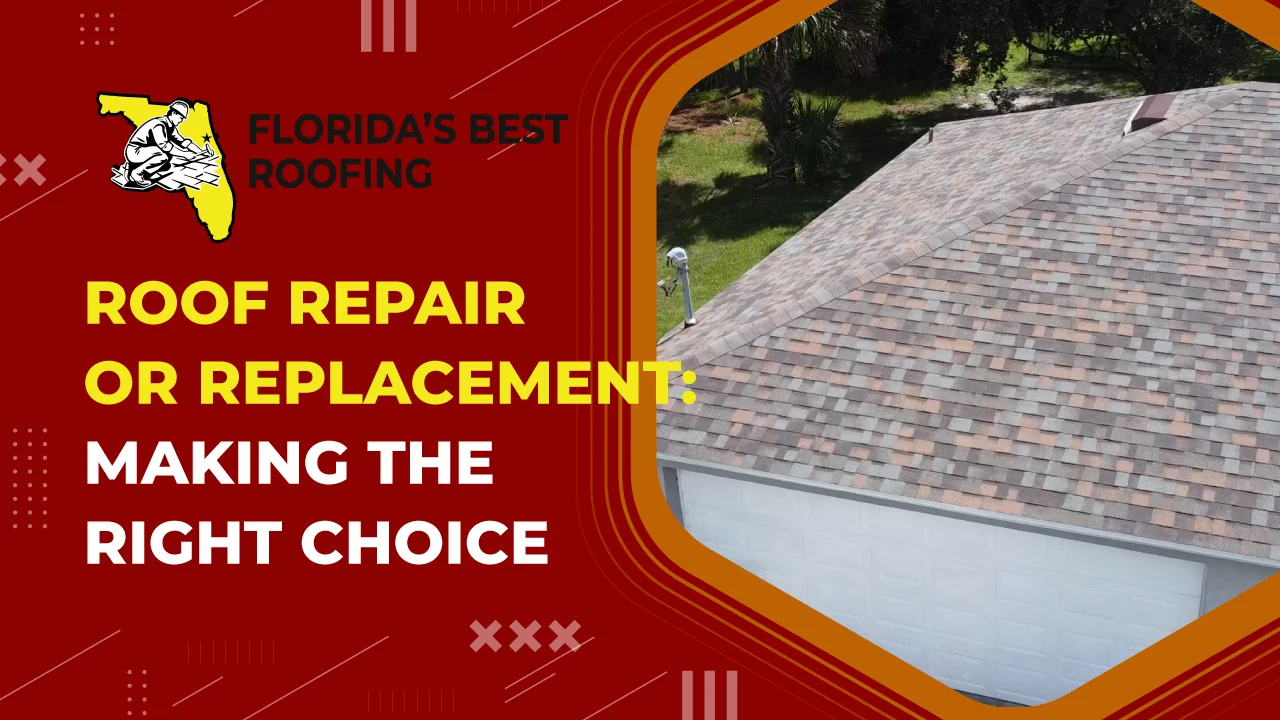
Roof Repair or Replacement: Making the Right Choice

With hurricane season approaching, it’s time to assess your roof’s condition. If you discover damage, deciding whether to repair or replace it depends on factors like age, damage extent, energy efficiency, cost, and your future plans for the home. Here’s a guide to help you make the best decision for your roof.


Age of the Roof

The age of your roof is a major factor. Asphalt shingles typically last 15-25 years, while metal or tile can last up to 50 years or more. If your roof is nearing the end of its lifespan, replacement may be more cost-effective over time, preventing leaks and expensive repairs down the line.

Unsure of your roof’s age? A professional roofing contractor can provide an inspection and estimate its remaining lifespan, helping you decide whether repair or replacement is the right choice.


Extent of Damage

Minor damage, like a few missing shingles, can usually be fixed with a quick repair. But extensive damage, such as widespread missing shingles, rot, or structural issues, may call for a full replacement.

A professional roofing contractor can assess the damage and give you a clear estimate of repair versus replacement costs. Remember, while repairs may be less costly initially, they could be temporary fixes, costing more over time if the roof continues to deteriorate.


Energy Efficiency

Replacing an older roof with modern, energy-efficient materials can reduce energy bills. Newer options like reflective asphalt shingles or metal roofing can help keep your home cooler by deflecting UV rays, which reduces strain on your air conditioning.

Some roofing materials, like metal, are also recyclable, making them a more sustainable choice. An experienced roofing contractor can guide you through energy-efficient options that may lower your bills and reduce your environmental footprint.


Cost Considerations

Cost is always a key factor. Repairs are generally cheaper, but they might only provide a temporary solution. A full roof replacement may come with a higher upfront cost, but it could offer long-term benefits like improved energy efficiency, increased curb appeal, and better protection during storms.

Your roofing contractor can provide a detailed cost estimate to help you decide which option is most practical for your budget and long-term needs.


Future Plans for Your Home

If you’re planning to sell your home soon, a new roof can boost its value and attract more buyers. Conversely, if you’re staying long-term, a well-done repair might be more practical for the time being.

A roofing professional can help you weigh the pros and cons based on your future goals for the home, guiding you toward a solution that aligns with your needs.


Get Expert Guidance

When it comes to roof repair or replacement, important factors include the age of the roof, the damage extent, energy efficiency, cost, and your future plans. Florida’s Best Roofing, Inc. is a fully licensed (CCC 1325974) and insured, local roofing contractor with years of experience. If you’re in Palm Coast, Flagler, or Volusia, call us at 386-263-7906 for a free estimate or with any questions about your roof!

Roofing Blog

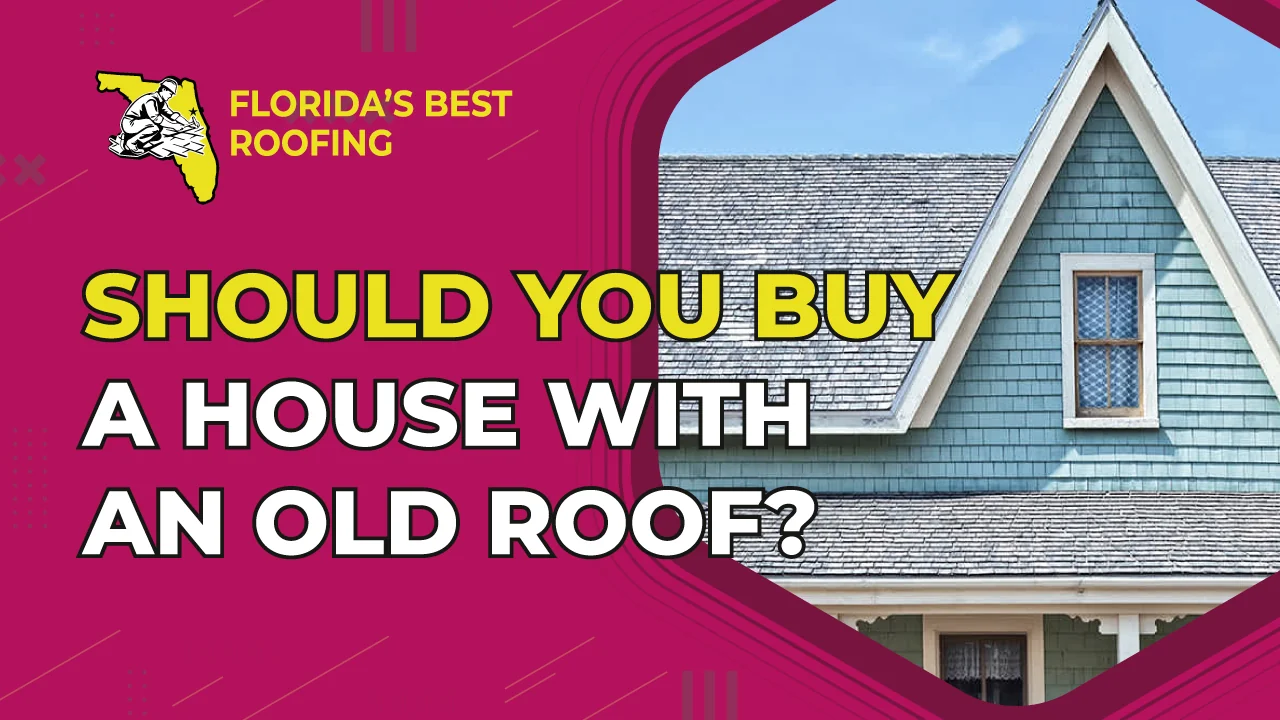
Should You Buy a House with an Old Roof?

When purchasing a home, there are countless factors to consider, and finding one that ticks all the boxes can be both time-consuming and stressful. Even if you find the perfect home in an ideal neighborhood and within your price range, what if the roof is old? This guide will help you weigh the pros and cons of buying a house with an aging roof, especially in areas like Daytona Beach or St. Augustine, where weather conditions can impact roof longevity.

How Old is the Roof?

The first step is determining the age of the roof. You can find this information from local property appraiser records, city or county building departments, or by asking the realtor and sellers directly. If the home has had the same roof since it was built or has not been replaced in many years, it’s critical to know how much life it has left.

Roofs can last anywhere from 20 to over 30 years, depending on the materials used and the weather conditions. Even in areas like Daytona Beach and St. Augustine, where harsh weather is common, some roofs—especially those made from tile or metal—can be more durable. Once you know the age, the next step is to assess the condition of the roof.

Assessing the Condition

Checking the roof’s condition is vital. This can be done through a professional inspection, preferably by a licensed roofing contractor. In coastal areas like Daytona Beach or St. Augustine, roofs are often exposed to salt, wind, and hurricanes, which can cause faster wear and tear.

When inspecting the roof, look for missing or damaged materials, such as shingles, tiles, or metal sheets. Be sure to check for granules from shingles in the gutters, as excessive granule loss can signal the need for replacement. Additionally, pay attention to any soft spots on the roof, as they may indicate dry rot caused by poor attic ventilation or insulation.

Mold, algae growth, and staining on the roof can also be red flags, indicating the need for repairs or replacement.

Warning Signs to Watch Out For

Replacing a roof can be a significant investment, costing thousands of dollars, so it’s important to identify warning signs that could signal the need for major repairs or a full roof replacement.

  • Missing Shingles or Tiles: Missing materials mean the roof is no longer watertight, which can lead to water damage inside the home.
  • Loose Shingles: If shingles can be easily lifted, they are no longer providing adequate protection.
  • Rotten Wood: Rotten wood in the attic or around the house structure points to water damage, often requiring extensive repairs and possibly structural work.
  • Stains and Soft Spots: Water stains on the interior ceilings, walls, or in the attic could indicate leaks. Feel around these spots to check for softness, as this suggests ongoing damage.

Is the Roof Worth It?

Should you buy a house with an old roof? It depends on its current condition. If the roof is old but in good shape, it might still be a good investment. However, if the roof shows signs of damage or decay, you may want to negotiate with the seller for repairs or a price reduction.

In regions like Daytona Beach and St. Augustine, where weather can accelerate roof wear, it’s especially important to factor in potential future costs. Ask for an inspection, and get quotes on repairs or replacement costs before making your final decision.

Conclusion

Buying a house with an old roof doesn’t have to be a deal-breaker, but it’s crucial to know what you’re getting into. By understanding the roof’s age and condition, especially in weather-prone areas like Daytona Beach and St. Augustine, you can make a well-informed decision. If you spot any warning signs, you might want to reconsider or negotiate with the seller for repairs.

If you need a roof inspection, have any questions about your roof, or want a free estimate for your property in Daytona Beach, St. Augustine, or the surrounding areas, reach out to Florida’s Best Roofing at 386-263-7906! We’re here to help you make sure your investment is a smart one.

How to Handle a Sudden Ceiling Leak: A Stress-Free Guide
Roofing Blog

How to Handle a Sudden Ceiling Leak: A Stress-Free Guide

Discovering a leak in your ceiling can be overwhelming. Your mind may race with concerns about finding a reliable contractor, managing repair costs, and dealing with potential disruptions to your daily routine. You might even worry about mold and other complications if the issue isn’t addressed promptly. But don’t panic—this step-by-step guide will help you navigate the process smoothly, removing much of the stress.

Step 1: Identify the Source

The first thing to do when you find a leak is to determine its origin. This will guide your next steps and inform you of which professionals to call for repairs. Don’t worry—you don’t need to climb onto your roof or venture into the attic. Simply consider that a leak involves water entering a place where it shouldn’t be. There are two potential sources: weather or plumbing. If the leak continues regardless of the weather, it’s likely a plumbing issue. If it only leaks when it’s raining, the problem is probably with your roof.

Step 2: Document the Leak

Regardless of the source, it’s crucial to document the leak for insurance and liability purposes. Take photos of the leak and the surrounding area as soon as you discover it. Continue to photograph any changes, whether the leak worsens or not, and keep documenting the process throughout the repairs. These photos might not be necessary, but they could be invaluable if you need to file an insurance claim. If you decide to contact your insurance company, they will expect you to have taken steps to mitigate further damage, so be sure to do so.

Step 3: Hire a Contractor

Next, you’ll need to hire a contractor. It’s best to choose a local, experienced, licensed, and insured professional. A quick internet search will help you find reputable contractors in your area, sorted by customer ratings and reviews. A roofing contractor should visit your home within a day or two to assess the situation and provide an estimate. If the earliest appointment is more than a couple of days away, you might want to consider another contractor, especially if the leak is active.

When the contractor arrives, make sure to ask them to identify the specific cause of the leak. This is important because some causes are covered by property insurance, while others are not. The contractor should be able to tell you whether your leak is likely covered. If you’re unsure, contact your insurance agent to verify. Even if the repair cost is below your deductible, file a claim anyway, as the deductible only applies once per policy period. This way, if another issue arises within the same period, you’ll be fully covered.

Step 4: Schedule Repairs

After hiring a contractor and agreeing on a price, it’s time to schedule the repairs. For active leaks, repairs are usually scheduled within a week. If the leak is severe, the contractor may take immediate measures to mitigate further damage, such as tarping the area. If you’ve filed an insurance claim, make sure repairs are scheduled after the adjuster has inspected the damage. If this isn’t possible, ensure your contractor takes detailed photos before, during, and after the repair to provide to your insurance company.

Step 5: Clean-Up and Payment

Once the leak is fixed, you’ll need to address any interior damage, such as ceiling stains or drywall issues. A good roofing contractor can recommend a reliable handyman or painter to restore your ceiling to its original condition. After everything is repaired, you can make the final payment, and your home will be back to normal.

Florida’s Best Roofing, Inc. is a fully licensed (CCC 1325974) and insured local roofing contractor with decades of experience. If you need roof replacement or repair services in the Palm Coast, Flagler, or Volusia area, contact us at 386-263-7906 for a free estimate!

The Risks of Delaying Roof Replacement
Roofing Blog

The Risks of Delaying Roof Replacement

Your roof is not just a decorative component of your home; it’s a critical shield that guards against the elements. Over time, even the most robust roofs can deteriorate, making timely replacement crucial. Delaying roof replacement might seem like a way to save money in the short term, but it can lead to significant dangers and costs down the line. In this article, we’ll explore the risks associated with postponing roof replacement and emphasize why it’s essential to address roofing issues promptly.


Increased Repair Costs

One of the primary dangers of delaying roof replacement is the ever-increasing cost of repairs. Roof damage tends to worsen over time, and what might start as a small leak or a few missing shingles can quickly escalate into a major problem. When you procrastinate, minor issues can evolve into extensive water damage, structural problems, and mold growth, which demand expensive repairs or even a full roof replacement.


Energy Inefficiency

A compromised roof doesn’t just let water in; it also allows conditioned air to escape. This means your heating and cooling systems have to work harder to maintain a comfortable indoor temperature, resulting in higher energy bills. Delaying roof replacement can lead to a significant increase in your monthly utility costs, which could easily surpass the savings from postponing the initial replacement.


Decreased Home Value

The condition of your roof significantly impacts your home’s curb appeal and overall value. A worn-out, damaged, or outdated roof can deter potential buyers and lower your property’s market value. Delaying roof replacement not only puts your home at risk but also reduces its resale value, making it harder to recoup your investment when you eventually decide to sell.


Structural Damage

A well-maintained roof plays a vital role in protecting your home’s structural integrity. When you delay roof replacement, water damage can seep into your home’s framework, weakening the walls, ceilings, and even the foundation. This structural damage can lead to expensive repairs and compromise the safety of your home.


Health Hazards

Water leaks from a deteriorating roof can create the perfect breeding ground for mold and mildew. Exposure to these fungi can pose significant health risks to you and your family, including respiratory problems, allergies, and other adverse health effects. Ignoring the issue or delaying roof replacement allows these health hazards to thrive and spread throughout your home.


Increased Insurance Premiums

Insurance companies consider the age and condition of your roof when determining your homeowner’s insurance rates. If you delay roof replacement and your roof becomes more susceptible to damage, you might find yourself paying higher premiums. In some cases, insurance providers may even cancel your policy if they deem your roof too high of a risk.


Legal Liability

Roof damage that goes unrepaired can extend beyond your property’s boundaries. If your deteriorating roof causes damage to a neighbor’s property or injures someone on your premises, you may be held legally responsible. Delaying roof replacement puts you at risk of costly lawsuits and potential liability for any accidents or damage caused by your damaged roof.


Lost Peace of Mind

Living under a roof that you know is in poor condition can be stressful. The constant worry about leaks, water damage, and the need for emergency repairs can take a toll on your mental well-being. When you delay roof replacement, you lose the peace of mind that comes with knowing your home is a safe and secure place for you and your loved ones.


Missed Energy Efficiency Benefits

Modern roofing materials and technologies offer significant energy efficiency benefits that can save you money in the long run. Delaying roof replacement means missing out on potential energy savings through improved insulation and ventilation. Upgrading to an energy-efficient roofing system can not only reduce your utility bills but also benefit the environment by lowering your carbon footprint.


Environmental Impact

Old, deteriorating roofs are often less energy-efficient and can contribute to environmental issues. Roofs with leaks or damage may allow rainwater to infiltrate your home, leading to water wastage and potential pollution. Additionally, older roofing materials may not be recyclable, increasing the environmental impact when they eventually need replacement.


Conclusion

While delaying roof replacement may seem like a cost-saving strategy in the short term, it comes with numerous dangers and potential long-term expenses. From escalating repair costs and decreased property value to health hazards and legal liabilities, the risks of postponing this essential home improvement project are substantial. To protect your home, your investment, and your peace of mind, it’s crucial to address roofing issues promptly and consider the long-term benefits of a well-maintained, energy-efficient roof. Don’t wait until the dangers become a reality—invest in the safety and longevity of your home by scheduling a roof replacement when needed.


If you have any questions about roofs or need a roof repair, we would be happy to help you out. Florida’s Best Roofing, Inc. is a fully licensed (CCC 1325974) and insured, local roofing contractor with decades of experience. If you are interested in roof replacement or repair and you are in the Palm Coast, Flagler, or Volusia area, please give us a call at 386-263-7906 for a free estimate!

Roofing Blog

How Do I Make Sure My Roof Is Insured?

Your roof provides protection for your home; it is an integral part of what makes the home safe and secure for living in. But, as I am sure you know, your roof requires protection too. The roof takes the brunt of the damage done by weather to the house, from intense sun in the summers, to thunderstorms, winds, tropical storms, and hurricanes. It can also suffer hail damage and damage from falling objects, such as tree branches. If anything ever happens to your roof, you need to be sure that it can quickly be repaired or even replaced if that becomes necessary. As roof repairs are often quite expensive, and replacement even more so, it is important to have insurance protection for your roof to provide you with the funds for repair or replacement when they become necessary.


The good news is that the roof is protected by the overall property insurance policy on the house. So the first step to protecting your roof is to make sure that you have a property insurance policy. If you do not have one, then you should shop for one as soon as possible. If you do have a policy, then it is always good to make sure that it is up to date and that payments are being made on time on the premium to keep it active at all times. 


The insurance market in Florida is in some turmoil right now, so finding a good property insurance policy may be a bit more difficult than it has been before. The highly active hurricane seasons of recent years have very much stressed this market with very high claim volumes. This, along with some other issues, and the expectation of more hurricanes in the years to come have stressed some companies to the point of pulling out of the state or shutting down altogether. These events have led to fewer companies operating in the Florida insurance market with the same, in fact an increasing, number of homeowners seeking policies. This not only raises premium prices, but also raises the bar for qualifying for a policy. One of the primary qualifications is a roof with remaining life expectancy. If your roof has passed the life expectancy on its covering (shingles, tile, or metal), it will be very difficult to insure because of its susceptibility to damage. For these reasons, it is also important to keep your roof up to date and replace it when its life expectancy ends.


When shopping for a policy, and even if you already have a policy, it is important to check some key details to make sure that you have adequate coverage for your roof. One of the primary details to check is for an endorsement that puts limitations on roof coverage. These types of endorsements often limit roof coverage, especially for windstorm or hail damage, to actual cash value instead of replacement cost. It is important to have replacement cost coverage because this means that the claim will be covered at the price that it costs to repair or replace the damage at current market prices. If your policy lacks replacement costs coverage for the roof (or anything else), then claims on damage to the roof will be paid out at a depreciated rate. Usually, replacement cost policies pay out on a claim in two checks. First a check is sent out at the depreciated rate, and then with proof of repairs having been done, a second check is sent out for the depreciation. If a policy only covers the roof at actual cash value, then there is no second check. The rate of depreciation values with time, but it can lead to significant out of pocket costs, especially if roof replacement is required.


Another detail to check is whether or not the insurance policy allows you to choose your own contractor to carry out repairs. Some policies limit the insured to a particular contractor who automatically receives any payment made on the claim. These contractors are usually partnered with the insurance company in some way. This kind of policy or contract is not necessarily bad, but it can limit your choices. So, if you want to be able to make your own decision regarding who does repairs on your house, you may want to consider a different type of policy. These are the two main issues to look out for, but if you are ever unsure about a policy, make sure you consult an insurance professional before purchasing.


If you have any questions about roofs or need a roof inspection, we would be happy to help you out. Florida’s Best Roofing, Inc. is a fully licensed (CCC 1325974) and insured, local roofing contractor with decades of experience. If you are interested in roof replacement or repair and you are in the Palm Coast, Flagler, or Volusia area, please give us a call at 386-263-7906 for a free estimate!

Florida’s Best Roofing, Inc is a Palm Coast-based roofing contractor, providing professional roofing services in Flagler and Volusia County Areas.

Newsletter

We promise not to spam!