(386) 263-7906 floridasbestroofing@gmail.com
Roofing Blog

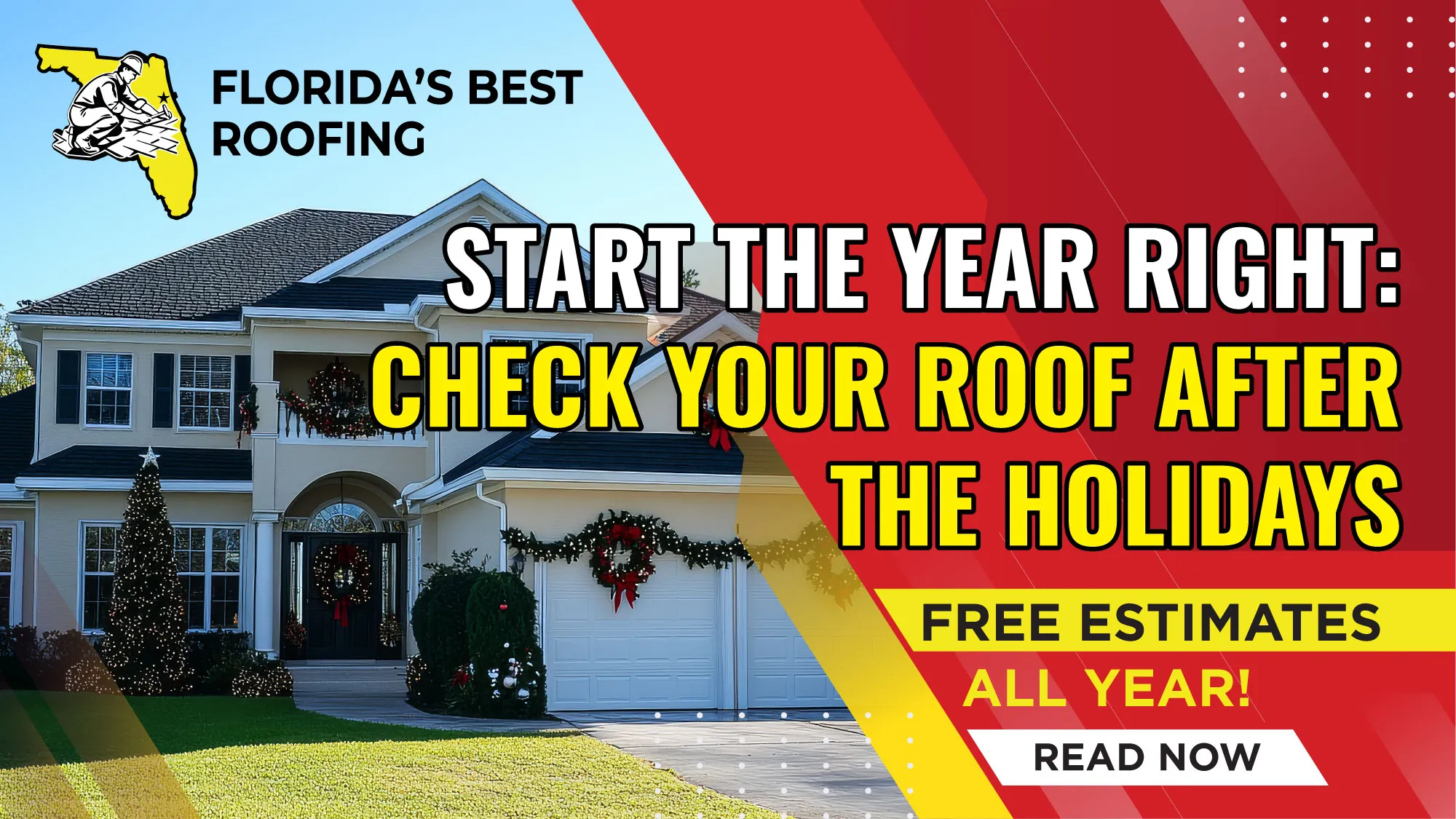
Start the Year Right: Check Your Roof After the Holidays

The holiday lights are down, the guests have gone home, and the New Year is officially underway. January may feel like the “quiet” month — but for your roof, it’s one of the most important times of the year. After the hustle of the holidays and the rollercoaster weather that Florida brings each winter, this is the ideal moment to give your roof the attention it deserves.

Let’s talk about why a post-holiday roof check in January is a smart move for any Florida homeowner.


Holiday Decorations Can Be Tough on Your Roof

During the holidays, many homeowners climb ladders, hang lights, set up décor, and walk areas of the roof they normally never touch. Even small things like loose clips, moved tiles/shingles, or minor scuffs can cause issues later if not addressed.

January is the time to check for:

✔ Shingles disturbed while hanging lights
✔ Fasteners or clips left behind
✔ Tiles cracked from foot traffic
✔ Gutters that collected holiday debris

A quick inspection now can prevent small problems from turning into expensive repairs.


Florida’s Winter Weather Isn’t Harmless

While Florida doesn’t see snowstorms, winter still brings:

• Heavy rainfall
• Sudden temperature drops
• Windy days
• Early-season front storms

These conditions can stress an aging roof — and if there’s already a weak spot, winter weather will find it.

January inspections help spot:

✔ Lifted or missing shingles
✔ Moisture intrusion or early leaks
✔ Worn areas from wind or storm gusts
✔ Blocked or overflowing gutters

Catching these issues early means avoiding much larger repairs when spring storms roll in.


Start the New Year Prepared

Think of a January roof check like a New Year’s resolution for your home. While you plan budgets, schedules, and fresh starts, your roof deserves to be part of the plan.

Here’s why:

👉 A solid roof equals peace of mind all year long
👉 Early inspections help avoid unexpected expenses
👉 You can budget for any needed repairs before holiday bills catch up
👉 You stay ahead of spring storm season

January is quiet, calm, and the perfect time to get things done—before the year gets busy.

Protect Your Home After the Holiday Rush

Once the festivities are over, January gives you a chance to reset, breathe, and take care of the most important part of your home’s structure: your roof.

Whether your decorations left a mark, winter weather added stress, or your roof is simply getting older, a professional inspection now can save you time, money, and headaches later in the year.

If you’d like a FREE estimate or expert opinion, Florida’s Best Roofing is here to help.

📞 Call 386-263-7906
Serving Flagler County, St. Johns County & Volusia County

Keep your home protected, your family safe, and your new year stress-free!

Prevent Roof Leaks Before the Holidays
Roofing Blog

Prevent Roof Leaks Before the Holidays: Why Now Is the Time to Act

As the holiday season approaches, most Florida homeowners are focused on decorations, family gatherings, and travel plans. But before you get caught up in the festivities, there’s one important thing to check off your to-do list: your roof.

The fall months are the perfect time to take care of your roof before heavy rains, cool fronts, and winter storms roll through. A small issue now can quickly turn into a costly leak right when you least want to deal with it.

Here’s why now is the ideal time to act.


1. Fall Weather Brings Hidden Roof Stress

While Florida doesn’t get snow, the mix of fall rain, high humidity, and wind gusts can put serious stress on your roof. Shingles may loosen, flashing can lift, and water can sneak into small cracks, often without showing visible signs at first.
A quick inspection by a professional roofer can help identify weak spots before they turn into major leaks.


2. Prevent Holiday Headaches

Imagine preparing for a holiday dinner when you notice a damp ceiling spot or, even worse, water dripping onto your freshly decorated tree. Roof leaks don’t wait for convenient times.
Taking care of maintenance now means you can relax and enjoy the season without emergency repairs or expensive surprises.


3. Post-Storm Damage May Still Be Lurking

If your area experienced summer storms or hurricanes, your roof could have hidden damage that isn’t yet visible from the ground. Even minor storm wear, such as lifted shingles or cracked tiles, can cause leaks months later.
An inspection this time of year ensures your home is fully protected heading into the next storm cycle.


4. Save Money in the Long Run

Roof repairs are always more affordable than replacements, and much cheaper than fixing water-damaged interiors. Proactive maintenance can extend your roof’s lifespan by years and protect your investment.


5. Schedule Before the Busy Season

As cooler weather arrives, reputable roofing companies book up fast. Scheduling your inspection or repair early ensures you get the best timing and service before the rush.


Stay Leak-Free This Holiday Season

A healthy roof means peace of mind, so you can focus on what matters most this season. Whether you need a simple inspection, minor repairs, or a full replacement, Florida’s Best Roofing is here to help.

We proudly serve Flagler, Volusia, and St. Johns Counties, offering free estimates and a 10-year labor warranty on roof replacements.

📞 Call us today at 386-263-7906 or visit floridasbestroofing.us to schedule your inspection before the holidays.


#RoofMaintenance #FloridaRoofing #HolidayReadyHome #RoofRepair #PalmCoast #StormSeason #FreeEstimate #FloridasBestRoofing

Roofing Blog

Why You Shouldn’t Delay Roof Replacement: Risks You Can’t Afford to Ignore

Shouldn’t Delay Roof Replacement: Risks You Can’t Afford to Ignore

Your roof is more than just a part of your home’s exterior—it’s your first line of defense against the elements. While it might be tempting to put off replacing an aging or damaged roof, waiting too long can lead to much bigger problems. Delaying roof replacement can compromise your home’s safety, value, and efficiency—and cost you far more in the long run.

Here’s why addressing roofing issues promptly is one of the smartest investments you can make.


1. Rising Repair Bills

Small roofing issues rarely stay small. A minor leak or a few missing shingles can quickly turn into major damage if left unaddressed. Water intrusion, rot, mold, and even structural damage often follow. What could have been a straightforward replacement might turn into thousands of dollars in repairs—all because of a delay.


2. Reduced Energy Efficiency

A compromised roof doesn’t just leak water—it leaks air. Damaged roofs allow heated or cooled air to escape, forcing your HVAC system to work harder. That means higher monthly energy bills and decreased comfort. Investing in a new roof can significantly improve insulation and help reduce energy costs year-round.


3. Lower Property Value

Curb appeal matters—and nothing drags down a home’s visual impression faster than a worn or damaged roof. Homebuyers often see an old roof as a red flag, leading to lower offers or longer time on the market. Replacing your roof before listing your home can increase its value and attract more serious buyers.


4. Potential Structural Issues

Roof damage doesn’t just affect the surface—it can impact your entire home. Water infiltration can lead to wood rot, ceiling damage, sagging walls, and even foundation problems. The longer you wait, the more extensive (and expensive) the repairs become.


5. Health Risks from Mold and Mildew

Moisture trapped beneath a failing roof creates the perfect environment for mold and mildew to flourish. These hidden threats can cause respiratory issues, allergies, and other health problems—especially dangerous for children, the elderly, or those with existing conditions. Replacing your roof can protect both your home and your health.


6. Increased Insurance Costs

Insurance providers take the condition of your roof into serious account. An outdated or failing roof may lead to higher premiums—or even policy cancellation. Keeping your roof in good shape helps maintain your coverage and ensures that you’re protected when disaster strikes.


7. Legal Liability

Neglecting your roof could put others at risk. Loose shingles, falling debris, or leaks that damage neighboring property could leave you liable. If someone gets injured on your property due to a roofing hazard, the legal and financial consequences could be severe.


8. Added Stress and Uncertainty

Living under a failing roof creates ongoing worry—especially during Florida’s storm season. Peace of mind is priceless. A new roof means security, confidence, and knowing your home is protected against whatever weather comes your way.


9. Missing Out on Modern Efficiency

Today’s roofing materials are stronger, more durable, and far more energy-efficient than those of even a decade ago. Delaying replacement means missing out on these modern benefits—from better insulation to solar reflectivity. A new roof can lower your energy use and your environmental impact.


10. Environmental Consequences

Old roofs aren’t just inefficient—they’re often wasteful. Damaged roofs can lead to water intrusion and runoff issues, while outdated materials may not be recyclable. Replacing your roof with eco-friendly options helps protect your home and the planet.


Make the Smart Choice—Don’t Wait

Putting off a roof replacement may seem like a way to save money now, but the hidden costs can be overwhelming. From structural damage and high energy bills to health hazards and insurance risks, the price of waiting is simply too high.

Take action before small issues become major headaches. Protect your investment, your family, and your peace of mind.


Need Expert Advice? We’re Here to Help.
Florida’s Best Roofing, Inc. is a fully licensed and insured local contractor with decades of experience. Whether you’re in need of repairs or ready for a full replacement, we offer honest assessments and high-quality work you can count on.

📍 Serving Palm Coast, Flagler, and Volusia counties
📞 Call us today at (386) 263-7906 for a free estimate
🌐 Visit us online: www.FloridasBestRoofing.us
📧 Email: FloridasBestRoofing@gmail.com

Roofing Advice for First-Time Homeowners: What You Need to Know
Roofing Blog

Roofing Advice for First-Time Homeowners: What You Need to Know

Buying a new home is an exciting milestone—but it also comes with a long to-do list. From managing finances and scheduling inspections to coordinating the move, there’s a lot on your plate. Amid all the details, it’s easy to overlook one of the most critical elements of your new investment: the roof.

In a state like Florida—where hurricanes and heavy storms are part of life—the condition of your roof isn’t just a detail, it’s a priority. Whether you’re still house hunting or have just closed on your dream home, here are some essential roofing tips every new homeowner should know.


Before You Buy: Know the Roof You’re Getting

If you’re still in the buying phase, schedule a professional roof inspection before finalizing your purchase. Roof work is one of the biggest maintenance expenses a homeowner can face—ranging anywhere from a few hundred to tens of thousands of dollars.

Start by identifying the type of roof:

  • Shingle: Most common and typically the most budget-friendly to maintain and replace.
  • Metal: Durable and long-lasting, but more expensive upfront.
  • Tile: Beautiful and extremely long-lasting, but costly to repair or replace—especially after storm damage.

Each roofing material comes with its own cost and lifespan. While tile and metal generally last longer, newer shingle technology has closed the gap in terms of durability.

Make sure a licensed roofing contractor evaluates the roof’s current condition and estimates replacement costs based on its size, shape, and materials.


Condition Matters: Ask the Right Questions

Beyond the type of roof, its condition at the time of purchase is just as important. A thorough inspection by a qualified home inspector or roofer can reveal any red flags. Be sure to get answers to the following:

  • How old is the roof?
  • Has it been repaired or replaced before?
  • Has it experienced leaks? How were they handled?
  • Are there warranties in place—and can they be transferred?
  • Is there any visible damage?
  • Will the seller make repairs, or is the home price discounted to account for needed work?

Don’t forget to ask about hail damage. It’s not always visible and doesn’t cause leaks right away, but it can weaken your roof over time and lead to major issues down the road.

If the roof is nearing the end of its life or has sustained major damage, a patch job might not cut it. You could be looking at a full replacement sooner than you think.


Already Bought the Home? Get Familiar with Your Roof

If the deal is already done and you’ve moved in, it’s still a good idea to get a professional roof assessment. Knowing your roof’s current state can help you budget for future maintenance and avoid unexpected costs.

We’ll dive deeper into what steps to take post-purchase in our next post, including tips on routine roof care and when to consider an inspection.


Need Help? Let’s Talk

Have roofing questions? We’re here for you.

Florida’s Best Roofing, Inc. is a fully licensed (CCC 1325974), insured, and experienced local roofing contractor proudly serving the Palm Coast, Flagler, and Volusia areas. Whether you need a repair or full replacement, call us today at 386-263-7906 for your free estimate!

Uncategorized

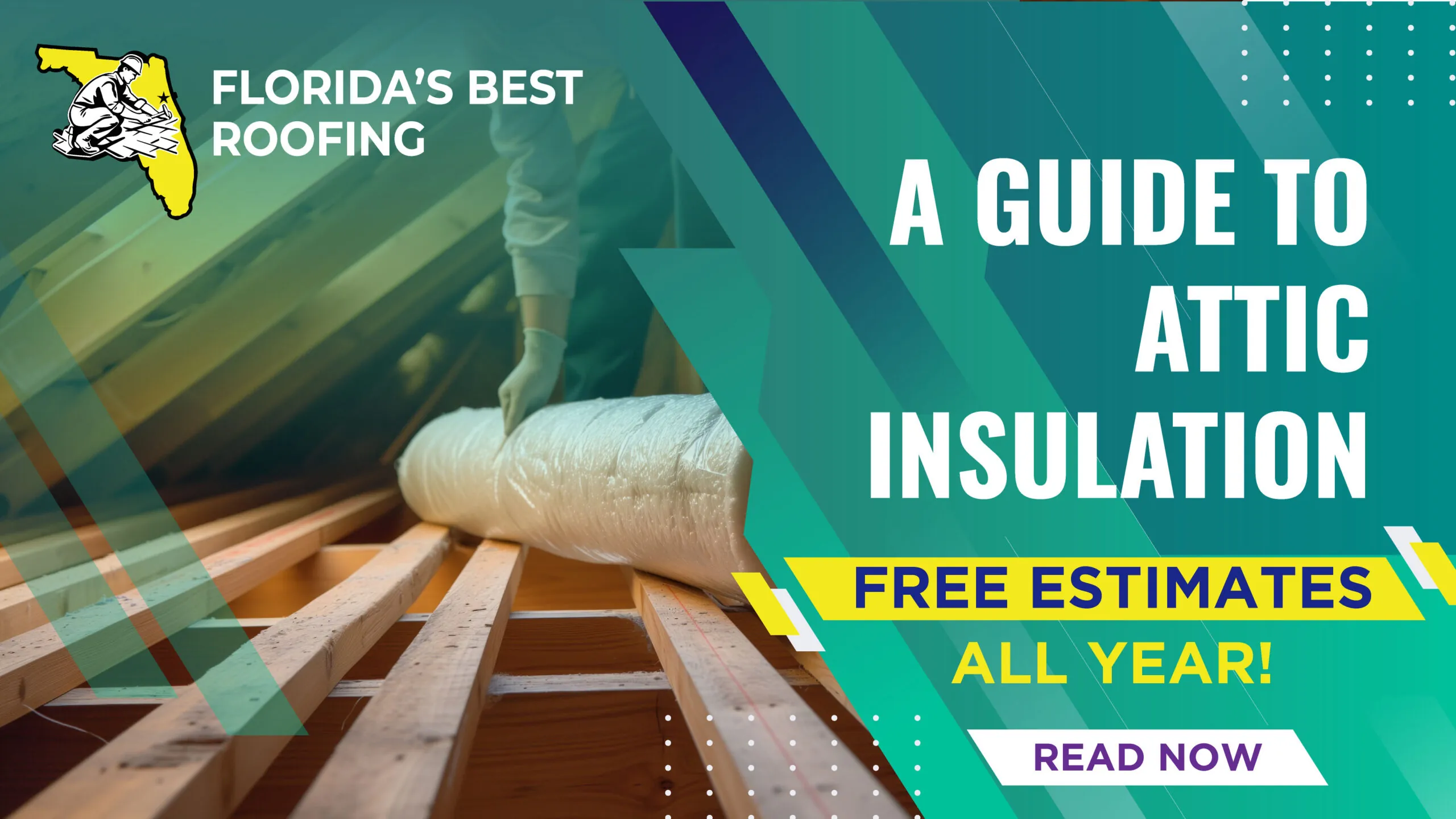
A Guide to Attic Insulation

Brought to you by the team that keeps your house dry, cool, and not on fire — Florida’s Best Roofing

Let’s face it — your attic is like that mysterious room in the house no one talks about. It’s not glamorous. It’s not cozy. It’s hot, dusty, and full of spiders with trust issues. But here’s the thing — your attic is secretly working overtime to keep your house comfortable, and attic insulation is its unsung sidekick. Think of it as the superhero cape your attic wears to protect your home from Florida’s wild temperature mood swings.

So… What’s the Deal with Attic Insulation?

Insulation in your attic is kind of like sunscreen for your house. It keeps the blazing Florida heat from turning your living room into a sauna during summer, and in those rare cold snaps (you know, like three days in January), it helps keep that precious warmth in. Bottom line: attic insulation = lower energy bills and a house that doesn’t feel like the inside of a microwave.

But that’s not all! Depending on the type, insulation can also fight off moisture, discourage fires (a big win), and keep noise levels down — which means you can keep your attic ghosts quieter too.

The Insulation All-Stars: Meet the Lineup

1. Batt Insulation
No, not a medieval weapon. Batt insulation is the rolled-up, mat-like stuff you’ve probably seen on HGTV — or in that one terrifying home renovation TikTok. Usually made of fiberglass, it looks a little like cotton candy. But we repeat: do not eat it. It’s fire-retardant, moisture-resistant, and kind of the classic option.

There are also batts made of mineral wool (which can handle heat better than most Florida beachgoers) and denim — yes, actual old jeans. So technically, you could insulate your attic and start a vintage fashion trend at the same time.

2. Blow-In Insulation
This one gets applied with a special machine that essentially reverse-vacuums chunks of insulation into all the hard-to-reach corners of your attic. Think of it as the leaf blower your attic never knew it needed.

It can be made of fiberglass or cellulose (a.k.a. shredded newspaper). While cellulose is super affordable, it also has a tendency to soak up moisture like a gossip magazine soaks up drama. That can mean mold, mildew, and uninvited bug roommates if you’re not careful.

3. Spray Foam Insulation
Ah, spray foam. The Rolls-Royce of insulation. It’s fancy, it’s effective, and yes, it’s pricey — but it’s worth it. Spray foam expands to fill every inch of space, hardens into a solid barrier, and tells moisture and fire to get lost. Bonus: it can even make your structure stronger.

Only downside? If you ever need to reach wiring or pipes underneath, you’ll basically need a miniature construction crew and a prayer to get back in.


So What Should You Do?

Still wondering what’s lurking in your attic or how to make it more efficient? We’ve got your back. 🛠️ Whether it’s insulation advice or a full-blown roof rescue mission, Florida’s Best Roofing is here to help.

We’re licensed, insured, local, and friendly — and we’ll never judge the state of your attic (or your collection of 2004 Christmas decorations).

📞 Call us for a FREE estimate at (386) 263-7906
🌐 Visit us at www.floridasbestroofing.us

Let’s make your home comfier, cooler, and a whole lot smarter — one attic at a time. 🏡

Roofing Blog

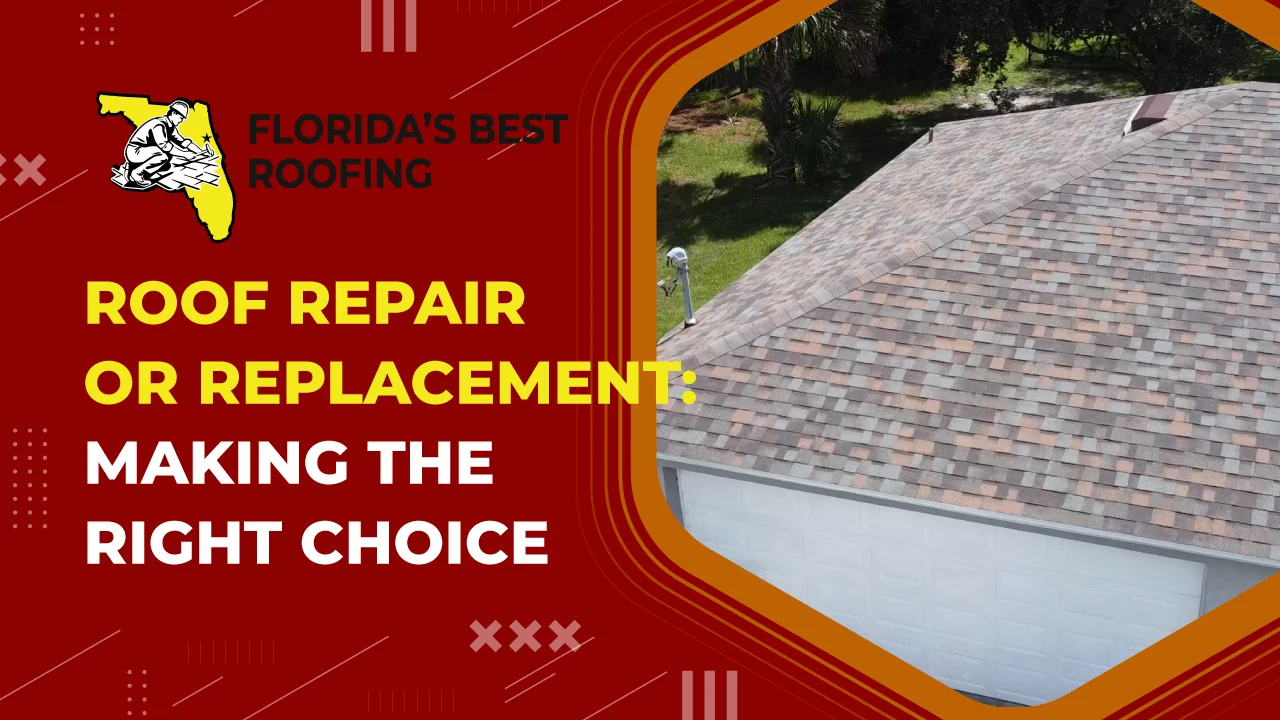
Roof Repair or Replacement: Making the Right Choice

With hurricane season approaching, it’s time to assess your roof’s condition. If you discover damage, deciding whether to repair or replace it depends on factors like age, damage extent, energy efficiency, cost, and your future plans for the home. Here’s a guide to help you make the best decision for your roof.


Age of the Roof

The age of your roof is a major factor. Asphalt shingles typically last 15-25 years, while metal or tile can last up to 50 years or more. If your roof is nearing the end of its lifespan, replacement may be more cost-effective over time, preventing leaks and expensive repairs down the line.

Unsure of your roof’s age? A professional roofing contractor can provide an inspection and estimate its remaining lifespan, helping you decide whether repair or replacement is the right choice.


Extent of Damage

Minor damage, like a few missing shingles, can usually be fixed with a quick repair. But extensive damage, such as widespread missing shingles, rot, or structural issues, may call for a full replacement.

A professional roofing contractor can assess the damage and give you a clear estimate of repair versus replacement costs. Remember, while repairs may be less costly initially, they could be temporary fixes, costing more over time if the roof continues to deteriorate.


Energy Efficiency

Replacing an older roof with modern, energy-efficient materials can reduce energy bills. Newer options like reflective asphalt shingles or metal roofing can help keep your home cooler by deflecting UV rays, which reduces strain on your air conditioning.

Some roofing materials, like metal, are also recyclable, making them a more sustainable choice. An experienced roofing contractor can guide you through energy-efficient options that may lower your bills and reduce your environmental footprint.


Cost Considerations

Cost is always a key factor. Repairs are generally cheaper, but they might only provide a temporary solution. A full roof replacement may come with a higher upfront cost, but it could offer long-term benefits like improved energy efficiency, increased curb appeal, and better protection during storms.

Your roofing contractor can provide a detailed cost estimate to help you decide which option is most practical for your budget and long-term needs.


Future Plans for Your Home

If you’re planning to sell your home soon, a new roof can boost its value and attract more buyers. Conversely, if you’re staying long-term, a well-done repair might be more practical for the time being.

A roofing professional can help you weigh the pros and cons based on your future goals for the home, guiding you toward a solution that aligns with your needs.


Get Expert Guidance

When it comes to roof repair or replacement, important factors include the age of the roof, the damage extent, energy efficiency, cost, and your future plans. Florida’s Best Roofing, Inc. is a fully licensed (CCC 1325974) and insured, local roofing contractor with years of experience. If you’re in Palm Coast, Flagler, or Volusia, call us at 386-263-7906 for a free estimate or with any questions about your roof!

Discover Rare and Unique Roof Shapes for Your Home
Roofing Blog

Discover Rare and Unique Roof Shapes for Your Home

This time, we will provide you with information on rare and unusual roof shapes. These unique shapes are often chosen for aesthetic reasons, heightening the impact of a structure’s style. Due to their distinctive qualities, these types of roofs are often more expensive to repair and replace since they require contractors with specialized knowledge and skills. Below, we discuss nine of these roof shapes.

Bonnet: Bonnet roofs can resemble either gambrel or mansard roofs (see our previous post for these), only in reverse. There are two panes on each side, with different slopes. Unlike gambrel and mansard roofs, bonnet roofs have steep upper panes and low-sloped bottom panes. Bonnet roofs can have two sides (like a spruced-up gable roof) or four sides (like a hip roof). These roofs are popular in specific geographic areas such as Cape Cod and the Northeast but are fairly rare elsewhere.

Saltbox: Homes with saltbox roof styles gained popularity in colonial America, but examples can still be seen today across the country and elsewhere. Saltbox roofs have two sides, like a gable shape, but what makes them unique is that these sides are not equal or symmetrical. The two sides meet at the top ridge but drop down unequal distances. One side is significantly shorter than the other, but equal in width. Most frequently, the slope also differs between the two sides, with one side usually having a much steeper slope.

Butterfly: A butterfly roof is a striking shape arising out of contemporary architecture. It is essentially the reverse of a gable roof, resulting in a shape resembling the insect that lends its name to this roofing style. While two sides rise up to a ridge in a gable roof, the two sides of a butterfly roof slope down into a central valley. This can easily lead to water retention issues and snow pile-ups in colder environments if special care is not taken to ensure positive drainage and regular snow clearance.

Sawtooth: Sawtooth roofs are similar to butterfly roofs in that they have central valleys created by two sides sloping down. However, sawtooth roofs differ in that their valleys are created by the repetition of components sloping up and then down, resulting in a facade resembling the teeth of a saw. The repeating components can be straight or curved and can vary in slope—the only requirement is that they repeat exactly several times. This style is most often seen in commercial roofing, and special care must be taken to ensure proper drainage.

Curved: Curved roofs provide a contemporary stylistic alternative to the straight lines seen in traditional roofing styles. They give a structure a modern, sleek look but require specialized skills and materials to install. Creating and designing such shapes requires experienced architects, structural engineers, and specialized contractors, making them expensive to build and maintain. However, the aesthetic possibilities are endless!

Pyramid: Almost five thousand years ago, the ancient Egyptians figured out that the pyramid shape gives stability to structures of almost any size. The balance of weight and tension makes pyramid shapes and pyramid-shaped roofs very strong. In this, pyramid roofs are closely related to hip roofs; in fact, they are a subset of hip roofs in which all four sides have equal dimensions and slope.

Jerkinhead: Also called half-hip roofs, the origin of this terminology becomes clear with a quick glance at the jerkinhead roof’s shape. The half-hip or jerkinhead roof has four sides. Two are just like those of a gable roof that meet at the top ridge. At both ends of the ridge, you will find a very short hip. This roof shape has the advantage of strength and stability provided by the hip elements and an old-world aesthetic.

Skillion: Skillion roofs are made of one sloped pane. The slope can be steep or low, closely resembling a lean-to. Homes and other structures with skillion roofs often have two or more skillion roofs at varying elevations, giving a very contemporary, modern look and providing opportunities for more windows, allowing for a brightly lit interior.

Dome: Dome roofs look exactly like you might imagine: essentially, the roof is in the shape of half of a sphere. The force distribution in these roofs, if properly constructed, makes them incredibly strong and long-lasting. This is evidenced by structures like the Pantheon in Rome, still standing after thousands of years under the original roof. Dome roofs are rarely seen in residential structures and require very specialized architects and structural engineers for their construction.

We hope this post has opened your eyes to the variety of shapes and styles available in roofing. As always, for all your roofing needs in Flagler, Palm Coast, Bunnell, Daytona Beach, and Deland, call Florida’s Best Roofing at 386-263-7906 for a free estimate!

#UniqueRoofShapes #RoofDesign #ArchitecturalRoofing #SpecializedRoofing #RoofingStyles #ContemporaryRoofing #RoofMaintenance

Unveiling the Secrets Beneath Shingles: Exploring the Layers of Your Roof
Roofing Blog

Unveiling the Secrets Beneath Shingles: Exploring the Layers of Your Roof

Ever wondered what lies beneath the surface of your roof? While asphalt shingles may be the most visible element, there’s a complex system of layers working together to support, insulate, and protect your home. Understanding these layers can provide valuable insights into your roof’s functionality, potential issues, and maintenance needs.

Let’s delve into the layers that compose a typical roof, starting from the bottom and working our way up.

  1. The Frame: At the core of every roof is its frame, which provides structural support and defines its shape. Modern frames are typically constructed using wooden trusses or beams, tailored to the specific design of the building. It’s crucial to consider the roofing material when designing the frame, as certain materials may require additional reinforcement to support their weight effectively.
  2. Insulation: Insulation plays a vital role in regulating temperature and energy efficiency within your home. Installed between the rafters or on the attic floor, insulation helps minimize heat loss and reduce energy costs.
  3. The Roof Deck: Positioned atop the frame, the roof deck consists of plywood or engineered wood boards, forming the surface on which the roofing materials are installed. Strategic openings are made in the deck to accommodate roofing vents.
  4. Water Shield: A waterproof membrane is applied to key areas of the roof to prevent moisture buildup and protect against water damage. This peel-and-stick membrane is particularly crucial in regions prone to ice or snow accumulation.
  5. Underlayment: Directly beneath the roof covering lies the underlayment, which serves as an additional barrier against water infiltration. There are various types of underlayment available, each offering different levels of water resistance and durability.
  • Asphalt-Saturated Felt: Traditionally used as underlayment, asphalt-saturated felt is water-resistant and secured to the roof deck with nails. It consists of a base material soaked in asphalt for added protection.
  • Synthetic Underlayment: Increasingly popular among contractors, synthetic underlayment offers enhanced durability and tear resistance. Composed of synthetic materials coated in asphalt, it provides reliable water resistance when nailed to the roof deck.
  • Rubberized Asphalt: Considered the premium option, rubberized asphalt underlayment boasts superior strength and waterproofing properties. Featuring a self-adhesive backing, it forms a watertight seal without the need for nails, reducing the risk of leaks.

Once the underlayment is in place, the roof covering, such as shingles or other materials, is installed to complete the roofing system.

For any inquiries about roof underlayment or professional roofing services in the Palm Coast, Flagler, or Volusia areas, contact Florida’s Best Roofing, Inc. at 386-263-7906. Our team is ready to provide expert guidance and assistance for all your roofing needs.

Optimizing Roof Ventilation for Palm Coast and Daytona Beach Homes
Roofing Blog

Optimizing Roof Ventilation for Palm Coast and Daytona Beach Homes

Understanding the Importance, Types, and Pros/Cons of Roof Vents

In our exploration of roofing essentials, we now delve into the critical realm of roof ventilation – a vital aspect for the longevity and efficiency of your roof. Ventilation not only extends the life of your roof but can also reduce energy consumption, ultimately saving you costs. In this detailed guide tailored for Palm Coast and Daytona Beach residents, we will discuss the significance of roof ventilation, the various types of vents, and the advantages and disadvantages associated with each.

Importance of Roof Ventilation:

A well-designed ventilation system serves as a guardian for your roof, preventing issues such as moisture buildup, poor indoor air quality, overworked air conditioning systems, and dry rot. In warmer climates like Florida, where hot and moist air can be a constant challenge, proper ventilation becomes paramount.

Ventilation systems can be categorized into two types: exhaust vents (releasing stale air) and intake vents (bringing in fresh air). Ideally, a roof should incorporate both types, although some architectural constraints may limit the inclusion of intake vents. Nonetheless, having exhaust vents alone is better than neglecting ventilation altogether.

Exhaust Vents:

  • Ridge Vents:
    • Pros: Common and highly effective, installed along the roof peak.
    • Cons: Installation requires cutting a 2-inch gap in the roof decking.
  • Off Ridge Vents:
    • Pros: Suitable for complex or short-ridged roofs.
    • Cons: Less effective than ridge vents due to the lower installation point.
  • Box Vents:
    • Pros: Also known as turtle vents, these are versatile like off ridge vents.
    • Cons: Surface area limitations compared to ridge vents.
  • Hard-Wired Powered Attic Vents:
    • Pros: Electric fans for efficient air extraction.
    • Cons: Debate over effectiveness, increased electricity costs.
  • Solar Powered Attic Vents:
    • Pros: Solar-powered, reducing electricity costs.
    • Cons: Variable effectiveness, dependency on sunlight.
  • Roof Turbines:
    • Pros: Eco-friendly, quiet operation.
    • Cons: Require multiple units for adequate ventilation, dependent on wind speed.
  • Cupola Vents:
    • Pros: Unique, aesthetically pleasing, and intake/exhaust functions.
    • Cons: Rare and expensive, but add to home aesthetics.

Intake Vents:

  • Soffit Vents:
    • Pros: Common and effective, installed on the eaves for continuous ventilation.
    • Cons: None significant, the most preferred intake vent.
  • Gable Vents:
    • Pros: Positioned on gables, offering partial intake and exhaust in horizontal cross-ventilation.
    • Cons: Less effective than vertical cross-ventilation (soffit and ridge vents).
  • Over Fascia Vents:
    • Pros: Placed at the top of the fascia board, serving where soffit venting is challenging.
    • Cons: Less effective due to reduced intake surface area compared to soffit vents.
  • Drip Edge Vents:
    • Pros: Similar to over fascia vents, integrated or added to the roof’s drip edge.
    • Cons: Intake surface area limitations, but helpful in specific scenarios.

Conclusion:

In conclusion, maintaining a well-ventilated roof is crucial for homes in Palm Coast and Daytona Beach, given the warm climate. Each type of vent comes with its own set of advantages and disadvantages, and the choice depends on factors like roof architecture, size, and aesthetic preferences.

For all your roofing needs in Flagler, Palm Coast, Bunnell, Daytona Beach, and Deland, contact Florida’s Best Roofing at 386-263-7906 for a free estimate. Trust us to optimize your roof ventilation and ensure a durable and energy-efficient roofing solution for your home.”

The Impact of Roof Condition on Buying or Selling a House
Roofing Blog

The Impact of Roof Condition on Buying or Selling a House

When it comes to buying or selling a house, there are many factors to consider. Location, size, layout, and price are all critical elements that potential buyers and sellers weigh carefully. However, one often overlooked but highly significant aspect of a home is the condition of its roof. The roof of a house can have a profound impact on the buying and selling process. In this blog post, we’ll explore why the roof matters, what to look for, and how it can influence your decision when buying or selling a house.


Curb Appeal and First Impressions

First impressions matter, and the roof is one of the most visible parts of a house. When potential buyers approach a property, the condition of the roof can greatly influence their initial impression. A well-maintained roof enhances the overall curb appeal, making the house look more inviting and well-cared for. Conversely, a deteriorating or damaged roof can turn potential buyers away before they even step inside.

Buyers are more likely to be drawn to a home with a roof that appears to be in good condition. They may assume that if the roof looks great, other aspects of the property are also well-maintained. In contrast, a shabby roof can raise concerns about the overall condition of the house, making it harder to sell and potentially driving down the sale price.


The Importance of Inspection

A crucial step in both buying and selling a house is the home inspection. A professional inspector will thoroughly assess the condition of the property, including the roof. Any issues identified during this inspection can have a significant impact on the negotiation process.


For Sellers:

Addressing Roof Issues: If the inspection reveals problems with the roof, it’s in the seller’s best interest to address these issues before listing the property. Repairing or replacing the roof can not only increase the sale price but also attract more potential buyers.

Transparency: It’s essential for sellers to be transparent about the roof’s condition. Hiding or downplaying roof issues can lead to legal problems down the line if the buyers discover them after the sale.


For Buyers:

Negotiating Power: If the roof requires repairs or replacement, this can provide buyers with negotiating power. They can request that the seller either fix the roof before closing or reduce the asking price to account for the necessary repairs.

Future Expenses: Understanding the condition of the roof is crucial for buyers as it helps them assess potential future expenses. A new roof may not be an immediate concern, but knowing when it might need replacement can help buyers plan for future maintenance costs.


Roofing Materials and Longevity

The type of roofing material used can significantly impact the lifespan and maintenance requirements of a roof. Different materials have varying degrees of durability and maintenance needs, which can influence a buyer’s decision.


For Sellers:

Roofing Upgrades: If you have recently replaced the roof with high-quality, long-lasting materials such as metal or clay tiles, this can be a significant selling point. Buyers may be willing to pay a premium for a low-maintenance, durable roof.

Maintenance Records: Keeping records of roof maintenance and repairs can demonstrate to buyers that the roof has been well taken care of and is less likely to present problems in the future.


For Buyers:

Assessing Future Costs: Understanding the roofing material and its condition allows buyers to estimate future maintenance costs. For example, asphalt shingle roofs typically need replacement every 20-30 years, while metal roofs can last 50 years or more. This information can influence their decision-making process.

Energy Efficiency: Some roofing materials offer better insulation and energy efficiency than others. Buyers concerned about energy costs may favor homes with energy-efficient roofing materials.


The Impact on Home Value

The condition of the roof can have a direct impact on the perceived and actual value of a home. A well-maintained roof can increase a property’s market value, while a deteriorating one can lead to a decrease.


For Sellers:

Investment in Roofing: Investing in roof repairs or replacement before listing the property can yield a higher sale price. A new roof is often considered a valuable improvement that can justify a higher asking price.

Competitive Advantage: In a competitive market, a house with a newly installed roof can stand out and attract more potential buyers. It may even sell faster than similar properties with older roofs.


For Buyers:

Bargaining Power: If the roof requires significant repairs or replacement, buyers can use this as a bargaining point to negotiate a lower sale price. They can also request that the seller cover the cost of necessary repairs.

Future Costs: Understanding the condition of the roof is crucial for buyers to avoid unexpected expenses shortly after moving in. They can budget for potential roof-related expenses and make an informed decision about whether the property fits within their budget.


Conclusion

The condition of a house’s roof is a critical factor that can significantly impact both the buying and selling process. Sellers should ensure their roofs are in good shape to enhance curb appeal and attract potential buyers. Buyers, on the other hand, should pay close attention to the roof’s condition during inspections to avoid future headaches and expenses.

Ultimately, the roof plays a vital role in determining a home’s overall value and desirability. It’s an investment that can pay off for both sellers and buyers, making it a crucial consideration in the real estate market. So, whether you’re buying or selling, don’t overlook the importance of the roof—it could be the key to a successful transaction.

If you have any questions about roofs or need a roof repair, we would be happy to help you out. Florida’s Best Roofing, Inc. is a fully licensed (CCC 1325974) and insured, local roofing contractor with decades of experience. If you are interested in roof replacement or repair and you are in the Palm Coast, Flagler, or Volusia area, please give us a call at 386-263-7906 for a free estimate!

What Should I Do If I Notice My Roof is Leaking
Roofing Blog

What Should I Do If I Notice My Roof is Leaking?

A leaking roof can be a homeowner’s worst nightmare. It not only poses a threat to your property but also to your safety and peace of mind. Whether it’s a small drip or a full-blown leak, addressing the issue promptly is crucial to prevent further damage and costly repairs. In this blog post, we will discuss what you should do if you notice your roof is leaking.


Stay Calm and Assess the Situation

The first and most important thing to do when you notice a roof leak is to stay calm. Panicking will not help the situation and may even hinder your ability to respond effectively. Take a deep breath and assess the situation. Try to pinpoint the exact location of the leak and the extent of the damage.


Contain the Water

Once you’ve assessed the situation, take immediate steps to contain the water. Place buckets or containers under the leak to catch the dripping water. If the leak is severe and causing a significant amount of water to enter your home, use towels or blankets to soak up the excess moisture and prevent it from spreading to other areas.


Protect Your Belongings

If the leak is in an area where it could damage your belongings, such as electronics, furniture, or important documents, move these items to a safe and dry location. It’s essential to protect your valuables from water damage as much as possible.


Turn Off the Electricity

Water and electricity are a dangerous combination. If the leak is near electrical outlets, light fixtures, or appliances, turn off the electricity to the affected area to reduce the risk of electrical shock or fires. If you are unsure how to do this safely, contact a professional electrician for assistance.


Call a Professional Roofer

While you can take immediate steps to mitigate the damage, addressing the root cause of the leak is a job for a professional roofer. Roof leaks can result from a variety of issues, such as damaged shingles, flashing, or roofing materials. Attempting to repair the roof yourself can be dangerous and may lead to further damage if not done correctly.

Contact a licensed and experienced roofing contractor as soon as possible to inspect your roof, identify the source of the leak, and provide a proper solution. Don’t postpone this step, as delaying repairs can lead to more extensive and expensive damage down the road.


Temporary Repairs (If Safe)

In some cases, you may be able to make temporary repairs to stop or reduce the leak until the roofing professional arrives. This should only be done if you can safely access the roof and have the necessary skills and materials. Temporary repairs might include applying roofing cement or patching a small hole. However, keep in mind that these are not long-term solutions, and professional repairs are still required.


Document the Damage

It’s essential to document the damage caused by the roof leak for insurance purposes. Take photos or videos of the affected areas, as well as any damaged belongings. This documentation will be helpful when filing a claim with your homeowner’s insurance company.


Contact Your Insurance Provider

Once you’ve documented the damage, contact your homeowner’s insurance provider to report the roof leak and initiate the claims process. Provide them with all the necessary information and be prepared to answer any questions they may have. Your insurance policy may cover the cost of repairs, depending on the cause of the leak and the extent of the damage.


Prevent Future Leaks

After the roof has been repaired, take steps to prevent future leaks. Regular roof maintenance, including inspections and repairs as needed, can extend the life of your roof and reduce the likelihood of future leaks. Trim overhanging branches, keep gutters clean, and ensure proper attic ventilation to help maintain your roof’s integrity.


Conclusion

A leaking roof can be a stressful and potentially costly issue, but by taking prompt and appropriate action, you can minimize the damage and get your roof repaired professionally. Remember to stay calm, contain the water, protect your belongings, and prioritize safety at all times. Your roof is a vital part of your home’s structure, so don’t hesitate to seek professional help when needed. By following these steps, you can effectively address a roof leak and ensure the long-term integrity of your home.


If you have any questions about roofs or need a roof repair, we would be happy to help you out. Florida’s Best Roofing, Inc. is a fully licensed (CCC 1325974) and insured, local roofing contractor with decades of experience. If you are interested in roof replacement or repair and you are in the Palm Coast, Flagler, or Volusia area, please give us a call at 386-263-7906 for a free estimate!

How do Temperature Changes Affect Roofing Materials?
Roofing Blog

How do Temperature Changes Affect Roofing Materials?

When it comes to the longevity and durability of your home, the roof plays a vital role. It shields your house from the elements, including rain, snow, wind, and perhaps most notably, temperature fluctuations. The impact of temperature changes on roofing materials is often underestimated, but it can significantly affect the performance and lifespan of your roof. In this blog post, we will explore how temperature changes affect roofing materials and what you can do to ensure the longevity of your roof.


The Science Behind Temperature Changes

Before delving into how temperature changes affect roofing materials, it’s essential to understand the science behind it. Roofing materials, especially in regions with extreme weather conditions, are subjected to a wide range of temperatures throughout the year. These temperature fluctuations can have a profound impact on the roof’s structure and materials.

During hot weather, roofing materials, particularly asphalt shingles, can become extremely hot. The sun’s intense rays can cause the temperature of the roofing materials to rise significantly, sometimes exceeding the ambient temperature by as much as 50 degrees Fahrenheit or more. Conversely, during cold weather, roofing materials can become brittle and less flexible, making them susceptible to cracking and damage.


The Impact of Heat

Thermal Expansion and Contraction: One of the primary ways temperature changes affect roofing materials is through thermal expansion and contraction. When roofing materials heat up, they expand, and when they cool down, they contract. This constant expansion and contraction can lead to cracks, warping, and deterioration over time.

Asphalt Shingles: Asphalt shingles are commonly used for roofing in many parts of the world. When exposed to high temperatures, asphalt shingles can soften and lose their shape, making them more vulnerable to damage from hail, falling debris, or foot traffic. Over time, this can lead to the shingles becoming less effective at keeping moisture out.

Roof Membranes: For flat or low-slope roofs, membrane materials like EPDM (ethylene propylene diene monomer) and TPO (thermoplastic olefin) are popular choices. These materials can expand and contract with temperature changes. Over time, this repeated stress can cause seams to weaken and potentially lead to leaks.


The Impact of Cold

Brittleness: In cold weather, roofing materials can become brittle. Asphalt shingles, for example, are more prone to cracking and breaking when they are cold and less flexible. This can result in leaks and the need for repairs or replacement.

Ice Dams: In regions with cold winters, ice dams can form on roofs. When snow melts and then refreezes at the eaves of the roof, it can create ice dams that block proper drainage. This can lead to water infiltrating beneath the roofing materials, causing damage to the structure underneath.


Protecting Your Roof from Temperature Changes

Now that we understand how temperature changes affect roofing materials, it’s crucial to discuss ways to protect your roof from these effects.

Choose the Right Roofing Material: Consider your local climate when selecting roofing materials. Some materials, like metal roofing or clay tiles, are more resilient to temperature changes than others. Consult with a roofing professional to choose the best material for your region.

Proper Insulation: Adequate insulation in your attic can help regulate the temperature on your roof. It prevents heat from escaping in the winter and entering in the summer, reducing the temperature extremes your roofing materials experience.

Regular Maintenance: Regular roof inspections and maintenance can help identify issues early. Addressing problems promptly can extend the lifespan of your roof and prevent costly repairs down the road.

Roof Coatings: Roof coatings, such as reflective coatings or elastomeric coatings, can help protect your roof from temperature extremes. They can reflect sunlight, reducing heat absorption, and provide an extra layer of protection against the elements.

Ventilation: Proper roof ventilation helps regulate temperature and moisture levels in your attic. This can prevent the buildup of heat and moisture that can accelerate the deterioration of roofing materials.


Conclusion

Temperature changes have a significant impact on roofing materials. Whether it’s the scorching heat of summer or the bitter cold of winter, these extremes can cause damage and reduce the lifespan of your roof. To protect your investment and ensure the longevity of your roof, it’s essential to choose the right roofing materials, invest in proper insulation and ventilation, perform regular maintenance, and consider additional protective measures such as roof coatings. By taking these steps, you can ensure that your roof remains strong and resilient in the face of temperature fluctuations for years to come.

If you have any questions about roofs or need a roof repair, we would be happy to help you out. Florida’s Best Roofing, Inc. is a fully licensed (CCC 1325974) and insured, local roofing contractor with decades of experience. If you are interested in roof replacement or repair and you are in the Palm Coast, Flagler, or Volusia area, please give us a call at 386-263-7906 for a free estimate!

Florida’s Best Roofing, Inc is a Palm Coast-based roofing contractor, providing professional roofing services in Flagler and Volusia County Areas.

Newsletter

We promise not to spam!